

You’ve tried to stop.
You’ve read the blogs, hidden the wrappers, promised yourself never again.
But the food keeps calling—louder in the silence, stronger when you’re most tired.
And afterward? The ache inside feels even deeper. A hollow grief for something you can’t quite name.
Is it food addiction? Is it binge eating? Or something else entirely?
The truth is: these patterns are responses to pain. Not character flaws.
In this article, we’ll gently explore the real differences between food addiction and binge eating. Not to label you — but to help you understand yourself. And to walk beside you with warmth, not judgment.
✨ Want to explore what’s really driving your eating habits?
Take our free quiz — a soft, safe starting point for self-discovery.
What Is Food Addiction? A Craving for Comfort, Control, or Connection
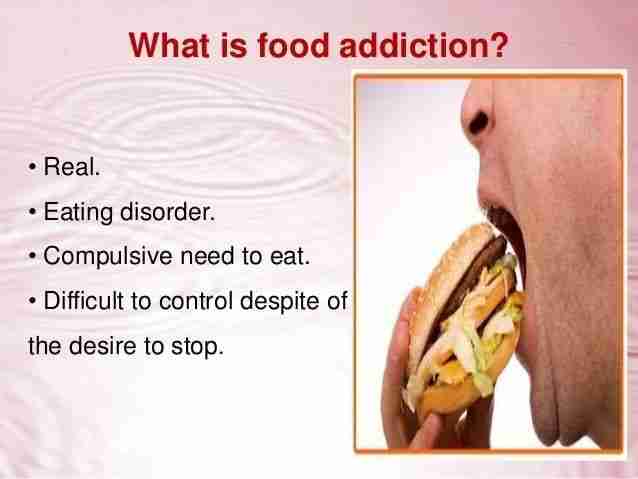
Food addiction is a controversial and emotionally loaded term — but many people resonate deeply with it. It describes a pattern where food, particularly highly processed or sugar-rich options, is used compulsively and obsessively, even when it causes harm.
Think of it like this: food becomes both the drug and the comfort.
Signs of Food Addiction Might Include:
- Frequent cravings for specific foods (e.g., sugar, fast food)
- Eating to the point of feeling physically sick — repeatedly
- Thinking about food constantly
- Failed attempts to cut back
- Eating in secret or hiding evidence
- Feeling powerless over certain foods
There’s no official diagnosis for food addiction in the DSM-5. But many researchers link it to dopaminergic reward systems — similar to substance abuse patterns — especially with ultra-processed foods.
“It felt like I needed the sugar just to feel normal,” one client said. “If I didn’t get it, I couldn’t function.”
This is not about lack of willpower. It’s about the brain’s survival wiring — and a body crying out for regulation.
🧠 A study by Gearhardt et al. (2011) proposed the Yale Food Addiction Scale, offering diagnostic criteria rooted in substance dependence models.
But still — this lens doesn’t capture everything.
Because food isn’t just fuel. It’s connection. Culture. Emotion. Safety.
What Is Binge Eating? A Cycle of Overwhelm and Collapse
Binge eating is a recognized eating disorder — Binge Eating Disorder (BED) — characterized by consuming large quantities of food in a short time, often secretly and with a crushing sense of shame.
DSM-5 Criteria for BED Includes:
- Eating rapidly and excessively
- Feeling out of control during the episode
- Eating when not hungry
- Eating alone due to embarrassment
- Feeling disgusted, guilty, or depressed afterward
Importantly: BED doesn’t always involve specific food cravings. It’s often less about the food itself and more about disconnection — a collapse of the nervous system into a state of numbing or escape.
“It was like I blacked out,” someone shared. “I didn’t taste anything. I just wanted the feeling to go away.”
While food addiction may center around the substance, binge eating often centers around the cycle: shame, restriction, stress, collapse, binge — repeat.
🥼 According to the National Eating Disorders Association (NEDA), BED is the most common eating disorder in the U.S., affecting 2.8 million people (Hudson et al., 2007).
Key Differences: Food Addiction vs Binge Eating
Let’s break this down gently and clearly:
| Aspect | Food Addiction | Binge Eating Disorder |
|---|---|---|
| Focus | Compulsion around specific foods | Pattern of large, uncontrollable eating |
| Trigger | Cravings, withdrawal, emotional dysregulation | Emotional distress, shame, restriction |
| Diagnosis | Not officially recognized in DSM-5 | Clinically diagnosable (DSM-5 criteria) |
| Aftermath | Craving persists, guilt follows | Emotional collapse, intense shame |
| Healing Focus | Regulation and abstinence (in some models) | Emotional resilience and intuitive eating |
But here’s the deeper truth: these categories blur in real life. You might resonate with both. That’s okay.
Healing starts by honoring your felt experience, not fitting into a box.
Where These Patterns Come From: A Deeper, Human Understanding
You weren’t born with food issues.
Something happened.
Maybe you grew up in a home where food was comfort — or control.
Maybe love was inconsistent. Or hunger was misread as neediness.
Maybe dieting was normalized — and now, your hunger feels like the enemy.
These Patterns Often Reflect:
- Chronic stress and nervous system dysregulation
- Unprocessed emotional pain
- Restrictive eating or body shame
- Perfectionism, trauma, or lack of co-regulation
- Cultural conditioning around thinness and worth
In this light, both food addiction and binge eating can be seen not as disorders — but as symptoms of disconnection. From self. From safety. From nourishment.
✨ Want to dive into this compassionate understanding of food and body?
Explore our Enlighten Eats Course — a journey of healing that honors mind, body, and soul.
How to Heal: A Gentle Path Forward

Recovery is not about control. It’s about connection.
Here are a few starting points:
🌱 1. Notice Your Triggers (With Curiosity, Not Judgment)
Use a mindful journaling app to log moments when you feel pulled to eat.
What just happened emotionally? Where do you feel it in your body?
📓 Try our Mindful Meal Journal & App — no calorie tracking, just self-awareness.
💛 2. Offer Your Nervous System Safety
Your hunger might not be for food. It might be for regulation.
Try:
- Placing your hand on your chest and breathing slowly
- Grounding with cold water or textured objects
- Calling a friend — even for 5 minutes
This isn’t fluff. It’s rewiring survival pathways.
🤝 3. Reach Out for Support
Healing in isolation is exhausting. You deserve co-regulation.
🧠 Explore our Coaching Offer — experienced guides who see your whole story, not just the food.
You Are Not a Problem to Be Solved
Whether you resonate more with food addiction, binge eating, or a blend — you are not broken.
What you’re doing makes sense.
It’s how your body and heart have learned to stay safe.
And there’s hope. There are tools. There are people who understand.
“I finally stopped asking, ‘What’s wrong with me?’” one client said. “And started asking, ‘What happened to me?’”
You are worthy of nourishment — and not just the kind that comes on a plate.
Conclusion: Food Is Not the Enemy — Disconnection Is

When we talk about food addiction vs binge eating, we’re not just talking about behaviors.
We’re talking about belonging, regulation, and self-trust.
Let this be your turning point — not to “fix” yourself, but to come home to yourself.
💡 Want clarity on where to begin?
Take our gentle quiz here — and start walking the path back to wholeness.
You don’t need to be perfect.
You just need to be present.