

You might be here after another night of eating until you felt numb — ashamed, disconnected, wondering why it keeps happening despite your best intentions.
Or maybe you’ve tried every diet, detox, and “fix,” only to feel even more broken afterward. And now, you’re starting to ask the deeper question: Could this be food addiction?
Let’s say this together, quietly but clearly: This isn’t your fault.
Food addiction isn’t about weakness. It’s a pattern of survival. A coping strategy the body learns when emotions feel too big, needs go unmet, or safety feels out of reach. Beneath every compulsion is an unmet longing — for connection, relief, control, or even just rest.
In this article, you’ll hear real recovery stories from people who’ve walked this path. Some still stumble. Some are thriving. All are healing.
You’ll also find insights that reflect a whole-person approach to recovery — including somatic awareness, emotional attunement, and relational safety — plus gentle resources to guide you forward.
🌱 Curious about your relationship with food?
Take our free Food Patterns Quiz to uncover what’s driving your habits and where healing might begin.
What Does Food Addiction Really Feel Like?
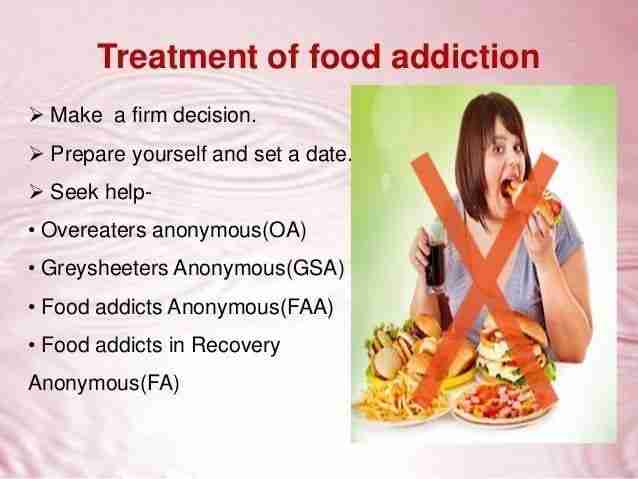
For many, food addiction isn’t obvious at first. It doesn’t always look like bingeing. It might look like:
- Grazing all day to avoid emotional discomfort
- Eating in secret, with shame as a companion
- Obsessive thoughts about food, even when not hungry
- Feeling powerless in front of certain foods
- Using food to regulate moods, stress, or trauma flashbacks
Story Snapshot: Jamie, 36
“I’d eat until I was in pain, and then punish myself with restriction the next day. The cycle felt inescapable. I wasn’t even eating for pleasure — I was eating to not feel.”
Jamie’s journey began to shift when she stopped blaming herself and started asking: What is this food behavior trying to protect me from?
Insight: Most food addictions are adaptive responses to internal dysregulation. When emotions can’t be safely felt, food becomes a way to override the overwhelm.
According to Gearhardt et al. (2011), highly processed foods can trigger addiction-like responses in the brain, similar to substance use — especially in those with trauma or emotional dysregulation【APA】.
But the story doesn’t end there.
Story #1: “The Food Was Never the Problem”
Name: Carlos, 42
Root issue: Childhood neglect, emotional isolation
Breakthrough: Somatic awareness and emotional naming
“I didn’t grow up with hugs or safety. Just yelling and silence. As an adult, food became the one place I felt comfort. Late-night fast food binges were my lullaby.”
Carlos realized his eating patterns weren’t failures — they were love letters to himself, written in the only language he knew. But they were also hurting him.
Healing began when he started using a mindful meal journal to track how he felt before and after eating, not just what he ate.
He learned to pause. To name loneliness. To reach out before reaching for food.
Carlos’s Key Takeaways:
- Healing begins with naming emotions, not controlling food.
- The body holds the score — and also the pathway to peace.
- Food addiction often mimics a need for connection.
📝 Try our Mindful Meal Journal App to explore your eating patterns without judgment.
Story #2: “I Wasn’t Addicted to Food — I Was Addicted to Numbing”

Name: Leila, 29
Root issue: Anxiety and overstimulation
Breakthrough: Nervous system regulation and coaching support
“I didn’t feel addicted to food — I felt addicted to quieting the noise in my head. Food was the fastest off-switch.”
Leila’s days were filled with social anxiety and perfectionism. She felt like she was performing herself 24/7 — and food became her private release.
When she began learning about how stress impacts the nervous system, something clicked. She wasn’t broken. Her body was just trying to shut down the overwhelm.
With coaching, she learned:
- How to spot early signs of nervous system overload
- That rest was a birthright, not a reward
- How to co-regulate with others rather than isolate and binge
Leila’s Healing Highlights:
- Food addiction can be a freeze response, not a character flaw.
- Healing often starts with slowing down, not speeding up.
- Support doesn’t have to mean therapy — coaching can offer relational safety too.
💬 Looking for non-judgmental support? Our 1-on-1 Coaching meets you wherever you are on the path.
Story #3: “My Body Knew Long Before My Mind Did”
Name: Alisha, 50
Root issue: Chronic dieting and cultural messaging
Breakthrough: Intuitive eating and self-forgiveness
“I wasn’t allowed to trust my hunger. I was told thinness was success. So I didn’t eat… until I couldn’t stop.”
For decades, Alisha blamed herself for not being able to stick to a diet. But eventually, she saw the truth: her body wasn’t betraying her — it was trying to survive.
Her “addiction” wasn’t about food. It was about control. About trying to be good. About fear of failure.
“I started reading about intuitive eating. I cried the first time I ate without guilt. That was freedom.”
What Changed for Alisha:
- Reclaiming hunger as a signal, not a sin
- Learning to trust her body’s wisdom
- Letting go of perfectionism and welcoming imperfection
📚 If you want to explore the stages of recovery and the deeper root causes of food struggles, our Enlighten Eats Course offers a trauma-informed, whole-body guide to healing.
What Recovery Looks Like in Real Life

Healing from food addiction isn’t a straight line. It’s messy. It’s sacred. It’s often quiet.
Here are truths many people discover on their journey:
Recovery is:
- Pausing instead of punishing
- Feeling instead of numbing
- Connecting instead of isolating
- Honoring hunger instead of fearing it
- Slowing down rather than speeding up
“It wasn’t about what I was eating. It was about what I was believing about myself.”
Gentle Practices That Support Food Addiction Recovery
Whether you’re just beginning or deep in your healing, these practices can gently support your nervous system and emotional well-being:
- Body check-ins before eating: “What am I feeling right now?”
- Structured eating rhythms: Regular meals reduce reactive eating.
- Breathwork or grounding before meals: Calm the body first.
- Co-regulation partners: A friend, coach, or journal to share the experience.
- Permission: To eat. To rest. To feel.
💡 Healing happens in layers, not in leaps.
Conclusion: You Are Not Alone, and You Are Not Broken

If you see yourself in any of these stories, take a breath.
The pain you feel isn’t proof that you’ve failed. It’s a sign that your body is trying to protect you — with the only tools it had. And now, you’re gathering new ones.
You don’t need to be fixed. You need to be seen, supported, and safe.
Whatever brought you here, let it also be the beginning of something new — not a fix, but a return. A remembering. A reclaiming of yourself.
🌱 Ready to take the next gentle step?
Start with our free quiz, explore your patterns, and feel into what healing might look like for you.