


When losing weight, we often focus on cutting calories or increasing exercise.
However, there’s a powerful ally in your weight-loss journey that you might need to pay more attention to protein.
Understanding the role of protein can make a significant difference in achieving your fitness goals. This blog post will explore the best protein for losing weight, the available types, and how to incorporate it into your daily routine.
The Importance of Protein in Weight Loss
Protein plays a crucial role in your body’s functions. It is made up of amino acids, which are the building blocks of your muscles, skin, and even your hormones.
When you consume protein, your body digests it and uses those amino acids to repair tissues, support immune function, and produce enzymes.
Beyond these essential functions, protein has a particular advantage in weight loss. Foods high in protein are known to increase satiety—the feeling of fullness after eating.
This can help you consume fewer calories overall, allowing you to manage your weight more effectively. Furthermore, protein has a higher thermic effect than carbs and fats, meaning your body burns more calories digesting and metabolizing them.
Research shows that incorporating adequate protein into your diet can improve weight loss outcomes.
A study published in the American Journal of Clinical Nutrition found that higher protein diets resulted in more significant fat loss while preserving more lean muscle mass during weight loss phases.
This is essential for anyone looking to shed pounds without losing the hard-earned muscle from their workouts.
Exploring Different Types of Protein Sources
Several options are available for protein sources: animal-based, plant-based, and supplements. Each type has its unique benefits and can accommodate different dietary preferences.
Animal-Based Proteins
Animal-based proteins include meat, poultry, fish, eggs, and dairy products. These sources are considered complete proteins because they contain all nine essential amino acids your body needs.
- Lean Meats: Chicken breast and turkey are fantastic lean sources that are low in fat. They are packed with protein, making them a staple in many weight-loss diets.
- Fish: Options like salmon and tuna are rich in protein and provide omega-3 fatty acids, which are beneficial for heart health.
- Eggs: Eggs are a versatile food that can be prepared in various ways. They are nutrient-dense and offer a good amount of protein in every serving.
Plant-Based Proteins
Plant-based proteins, such as legumes, nuts, seeds, and whole grains, are excellent for vegetarians and vegans.
- Legumes: Beans, lentils, and chickpeas are protein-rich and high in fiber, promoting fullness. They are also low in fat, making them ideal for weight loss.
- Nuts and Seeds: While they contain healthy fats, nuts and seeds like almonds and chia seeds also provide protein. Moderation is essential, as they are calorie-dense.
- Whole Grains: Quinoa and buckwheat are complete protein sources and are considered whole grains. They provide sustained energy without spikes in blood sugar.
Protein Supplements
Protein supplements, including powders and bars, can be convenient, especially for those with busy lifestyles. They can be made from whey, casein, soy, pea, or rice protein.
- Whey Protein: Derived from milk, whey protein is quickly absorbed and promotes muscle growth. It’s ideal for post-workout recovery.
- Plant-Based Powders: Protein powders from pea, hemp, or brown rice are great for those seeking plant-based options. They are generally lower in allergens and can be used in smoothies or meals.
Best Protein Sources for Weight Loss
Identifying the best protein sources for weight loss involves looking at how they affect satiety, muscle building, and metabolic rate. Here are some top contenders:
Chicken Breast
Chicken breast is a low-fat and high-protein choice for weight loss. A 3-ounce serving offers about 26 grams of protein and helps you feel fuller longer without adding excess calories.
Greek Yogurt
This thick, creamy yogurt is packed with protein—about 20 grams per serving. It also contains probiotics that support gut health. Opt for plain varieties to avoid added sugars.
Lentils
Lentils are rich in protein (about 18 grams per cup) and high in fiber. Fiber helps digestion and enhances satiety, making lentils an excellent addition to any weight loss plan.
Eggs
One large egg has about 6 grams of protein. Eggs are versatile and can be used in various dishes. They provide a feeling of fullness while being low in calories.
Quinoa
This whole grain is a complete protein, containing all nine essential amino acids. With about 8 grams of protein per cooked cup, quinoa is an excellent base for salads or bowls.
Case Studies and Success Stories
Real-world examples provide insight into the effectiveness of protein-focused diets. Take Sarah, for instance. After struggling with her weight for years, she incorporated a higher protein diet, focusing on lean meats, legumes, and dairy. Within six months, she lost over 30 pounds and reported feeling energized and satisfied.
Another success story is Jake, who switched to a plant-based diet. He replaced most of his meals with proteins like beans, lentils, and tofu. The result? He experienced a drop in body fat percentage and increased muscle definition as he complemented his new diet with strength training.
These testimonials illustrate that a protein-rich diet can significantly improve health and weight loss when combined with proper exercise and lifestyle changes.
Practical Tips for Integrating Protein into Daily Meals
Incorporating protein into your meals doesn’t have to be complicated. Here are some practical tips to help you get started:
Plan Your Meals
Creating a weekly meal plan can ensure you include protein at every meal. Start by deciding what protein sources you’ll use: chicken, lentils, or Greek yogurt.
Snack Smart
Instead of reaching for chips or candy, go for protein-rich snacks. Keep hard-boiled eggs, protein bars, or a handful of nuts handy for those in-between-meal cravings.
Experiment with Recipes
Try new recipes that highlight protein. From stir-fries with tofu to hearty lentil soups, explore different culinary styles to keep meals exciting while meeting your protein needs.
Common Mistakes to Avoid with Protein Intake

While increasing protein can aid in weight loss, there are a few common pitfalls to watch out for:
Overdoing It
Many believe that more protein equals better results. However, excess protein can lead to weight gain if it contributes to a caloric surplus. Moderation is key.
Ignoring Other Nutrients
Protein is essential, but so are carbs and fats. A balanced diet is crucial for overall health. Be sure to include a variety of foods from all food groups.
Relying Solely on Supplements
Supplements can be beneficial, but whole foods should be your primary protein source. They offer additional nutrients and health benefits that supplements don’t provide.
Expert Insights on Protein Intake
Experts recommend aiming for a protein intake of about 0.8 grams per kilogram of body weight for sedentary adults. For those involved in regular exercise, this may increase to 1.2 to 2.0 grams per kilogram, depending on the intensity of the training.
Consult with a healthcare provider or a registered dietitian to determine the ideal protein intake for your specific needs and goals.
Which protein is best at burning fat?
Finding a protein that aligns with your journey and wellness goals is essential when choosing a protein to help support fat burning. Among the various options, some proteins stand out for their ability to promote a healthier metabolism and reduce appetite, aiding in fat loss.
Whey Protein Isolate: This highly refined protein removes most fats and lactose. It’s known for its quick absorption and high-quality amino acids that support muscle repair and growth. Its purity can boost metabolism and help you feel full, making it a great ally in weight loss efforts.
Casein Protein: Casein is a slow-digesting protein that steadily releases amino acids over several hours. This can be especially helpful before bedtime, keeping you satisfied longer and supporting overnight muscle recovery. This sustained release helps manage hunger and supports overall fat loss.
Plant-Based Proteins: For those who prefer plant-based options, proteins like peas and brown rice are excellent choices. They are usually lower in calories and provide a complete amino acid profile. These proteins are gentle on the digestive system and can be part of a balanced diet to support a healthy weight.
Egg White Protein: Egg white protein is another beneficial option. It’s low in calories and high in quality protein, which helps maintain muscle while promoting fullness. This can assist in reducing overall calorie intake throughout the day.
What amount of protein is ideal for losing weight?
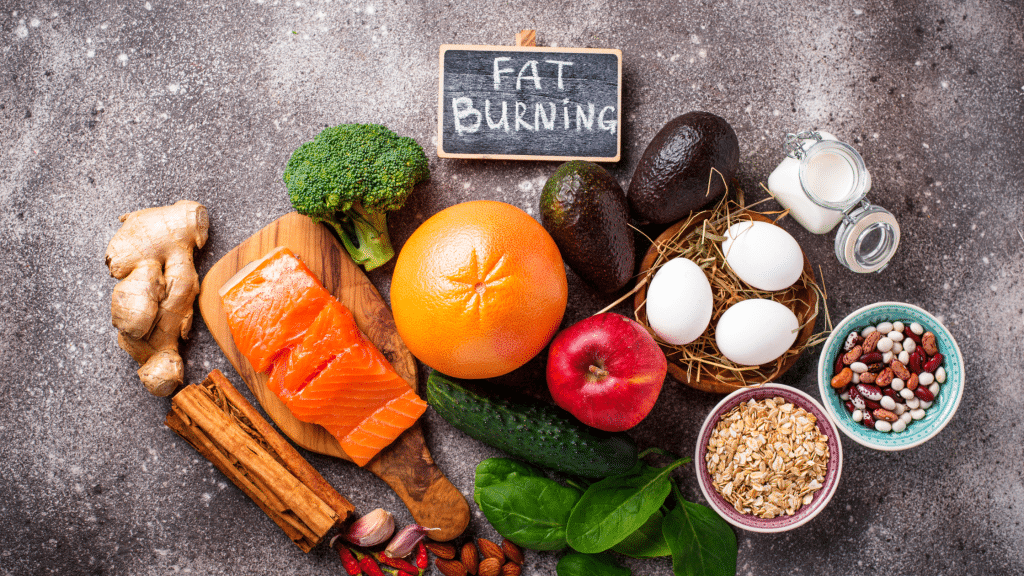
Finding the ideal amount of protein for weight loss is a personal journey that depends on your unique needs and lifestyle. Protein plays a crucial role in supporting muscle mass, boosting metabolism, and reducing appetite, all of which can aid in your weight loss goals.
For most people aiming to lose weight, a good starting point is consuming around 0.8 to 1.2 grams of protein per kilogram of body weight daily. For example, gaining 70 kilograms (154 pounds) translates to 56 to 84 grams of protein daily. This range provides a balanced approach supporting muscle preservation and promoting fat loss.
It’s important to remember that everyone’s body is different, and factors such as activity level, age, and overall health can influence your individual protein needs. Listening to your body and making adjustments as necessary can help you find what works best for you.
Incorporating various protein sources into your diet can also enhance your wellness journey. Lean meats, fish, eggs, dairy products, legumes, and plant-based proteins like tofu and quinoa offer diverse nutrients and can support your holistic health.
Ultimately, the key is to make protein a consistent part of your meals and snacks, helping you feel full and energized throughout the day. By nurturing your body with the right amount of protein, you can take meaningful steps towards achieving your weight loss goals and embracing a healthier lifestyle.
Does protein help people lose weight quickly?
Protein can support a person’s journey towards weight loss, but it’s essential to understand that sustainable weight loss is a gradual process. Protein helps in several ways:
- Boosts Metabolism: Protein requires more digestion energy than fats and carbohydrates. This process, known as the thermic effect of food, can slightly increase your metabolic rate.
- Reduces Appetite: Consuming protein-rich foods can help you feel fuller for extended periods. This reduces the temptation to snack on unhealthy options and helps control overall calorie intake.
- Preserve Muscle Mass: Maintaining muscle mass is crucial during weight loss. Protein provides the necessary building blocks for muscle repair and growth, supporting a healthy metabolism and a toned physique.
- Stabilizes Blood Sugar Levels: Including protein in your meals can help stabilize blood sugar levels, preventing spikes and crashes that often lead to cravings.
However, relying solely on protein for quick weight loss might not be practical or healthy. Integrating protein into a balanced diet, regular physical activity, and mindfulness fosters a holistic approach to well-being. Remember, patience and consistency are key. Every step you take towards incorporating healthier habits contributes to lasting change.
Conclusion on the Best Protein for Weight Loss
Incorporating suitable protein sources into your daily diet can significantly impact your weight loss efforts. Focus on lean meats, plant-based proteins, and dairy to enhance your meals and fuel your body effectively.
Balancing your protein intake with other nutrients is essential for overall well-being.
By understanding the benefits of protein and making informed choices, you can take control of your health and achieve your weight loss goals.
Start experimenting with different protein sources today, and join a community of like-minded individuals committed to healthier living. Together, we can foster a supportive environment that empowers everyone on their wellness journeys.