


Most men don’t grow up being told they might one day stop eating in order to feel safe.
They’re told to “man up.” To “stay in control.” To lift weights. To never ask for help.
So when food becomes a battleground — when hunger turns into fear, or calories into control — it doesn’t always look like anorexia “should.” And for many men, the suffering stays hidden for years.
Maybe you’re here because you think something is off with your eating.
Maybe you’ve lost weight and started liking the power it gives you.
Or maybe you’re years into recovery, still navigating shame no one talks about.
Wherever you are: you are not alone.
This article explores anorexia in men — not just through stats, but through stories. Through real-feeling recovery moments. Through the lens of nervous system overwhelm, cultural silence, and the deep desire to feel in control when everything inside feels like chaos.
✨ If you’re curious about your relationship with food, our free quiz can offer a gentle place to begin.
1. Anorexia Doesn’t Only Affect Women — And Never Has
Let’s clear something up:
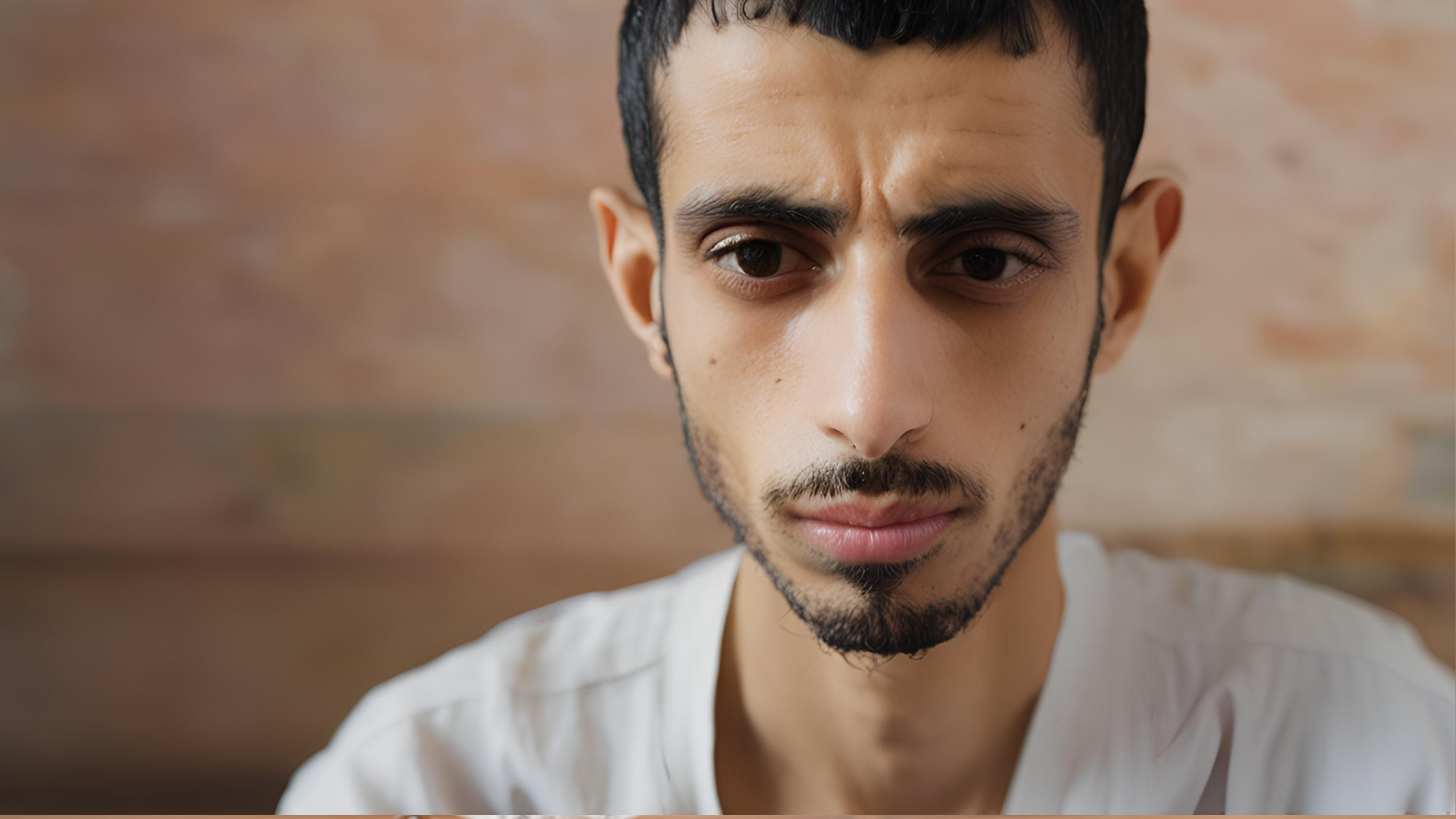
Anorexia in men is not rare. It’s underdiagnosed.
A 2019 study in the Journal of Eating Disorders found that nearly 25% of those diagnosed with anorexia are male — a number that may be higher due to stigma and misdiagnosis (Sweeting et al., 2019).
But the media, the diagnostic criteria, even the treatment centers — many are still built around a female prototype.
This leads to real harm:
- Men may not be recognized as “sick enough”
- Symptoms like over-exercising or muscle restriction may be overlooked
- The deeper emotional patterns — shame, rigidity, confusion — go unnamed
It’s not that men experience a different anorexia. It’s that the story they’re allowed to tell about it is different.
2. What Male Anorexia Actually Feels Like: Behind the Mask

For many men, anorexia doesn’t start with body image.
It starts with feeling unsafe, unseen, or out of control — and discovering that food (or the lack of it) offers a way to cope.
Let’s talk about Jake, 28.
High-achieving. Former athlete. Quietly unraveling.
“I didn’t think I had an eating disorder. I just liked tracking macros. Then I realized I hadn’t had a full meal in months.”
For Jake, anorexia didn’t look like frailty. It looked like:
- Skipping dinner because he “wasn’t hungry”
- Pushing through 3 hours of workouts with no fuel
- Feeling proud when hunger made him dizzy
What he didn’t know was that this was nervous system shutdown. A body in freeze. A brain trying to manage emotional chaos by focusing on something — anything — controllable.
Symptoms in men often include:
- Obsessive exercising or “clean” eating
- Shame around hunger or fatness
- Withdrawal from relationships
- Fixation on muscle definition or leanness
What’s missing from most clinical models?
The emotional root. The trauma under the control. The longing under the silence.
3. Why Men Stay Silent — And What That Costs Them
Let’s name what most articles don’t:
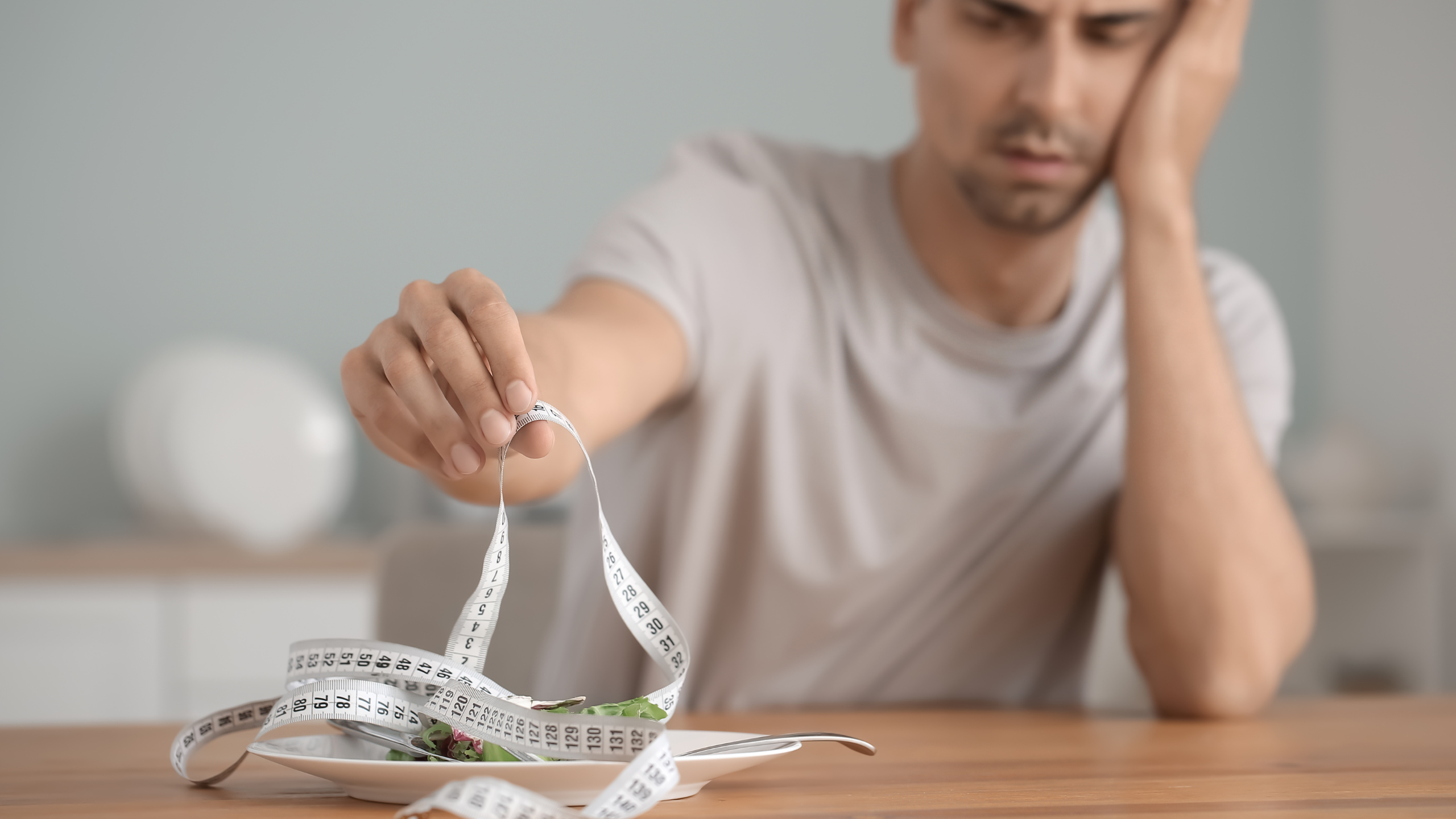
It can feel weak for men to admit they’re suffering.
Especially when that suffering involves food, weight, or emotion.
Cultural narratives tell men to be:
- Unshakeable — even when falling apart
- In control — even if it means starving
- Stoic — even in isolation
This creates a double invisibility:
- Anorexia is already misunderstood
- Male vulnerability is discouraged
Together, these forces delay diagnosis, deepen shame, and isolate those who most need connection.
And here’s the kicker: men are more likely to die from anorexia due to later diagnosis and fewer tailored treatment options (Arcelus et al., 2011).
“I didn’t know it was anorexia until my heart rate dropped so low I had to be hospitalized,” says Tony, 35.
4. The Emotional Terrain: Control, Shame, and the Need to Feel “Enough”
Male anorexia isn’t just about body image.
It’s about:
- Childhoods where emotional needs went unmet
- Pressure to perform, fix, and never “be weak”
- Panic that erupts when control slips — and food offers a way back
These aren’t signs of moral failure.
They are the body’s brilliant adaptations to emotional overwhelm.
Here’s the deeper truth:
- Control isn’t the problem — it’s a survival strategy
- Food restriction isn’t vanity — it’s a cry for safety
- Shame isn’t weakness — it’s a learned response to not being seen
Recovery means learning a new kind of safety — one rooted in connection, not control.
💡 Want help making sense of these patterns? The Enlighten Eats Course explores the root causes of disordered eating in men and women alike — from the nervous system to self-worth.
5. Real Recovery Stories From Men Who’ve Been There
Healing doesn’t look like perfection.
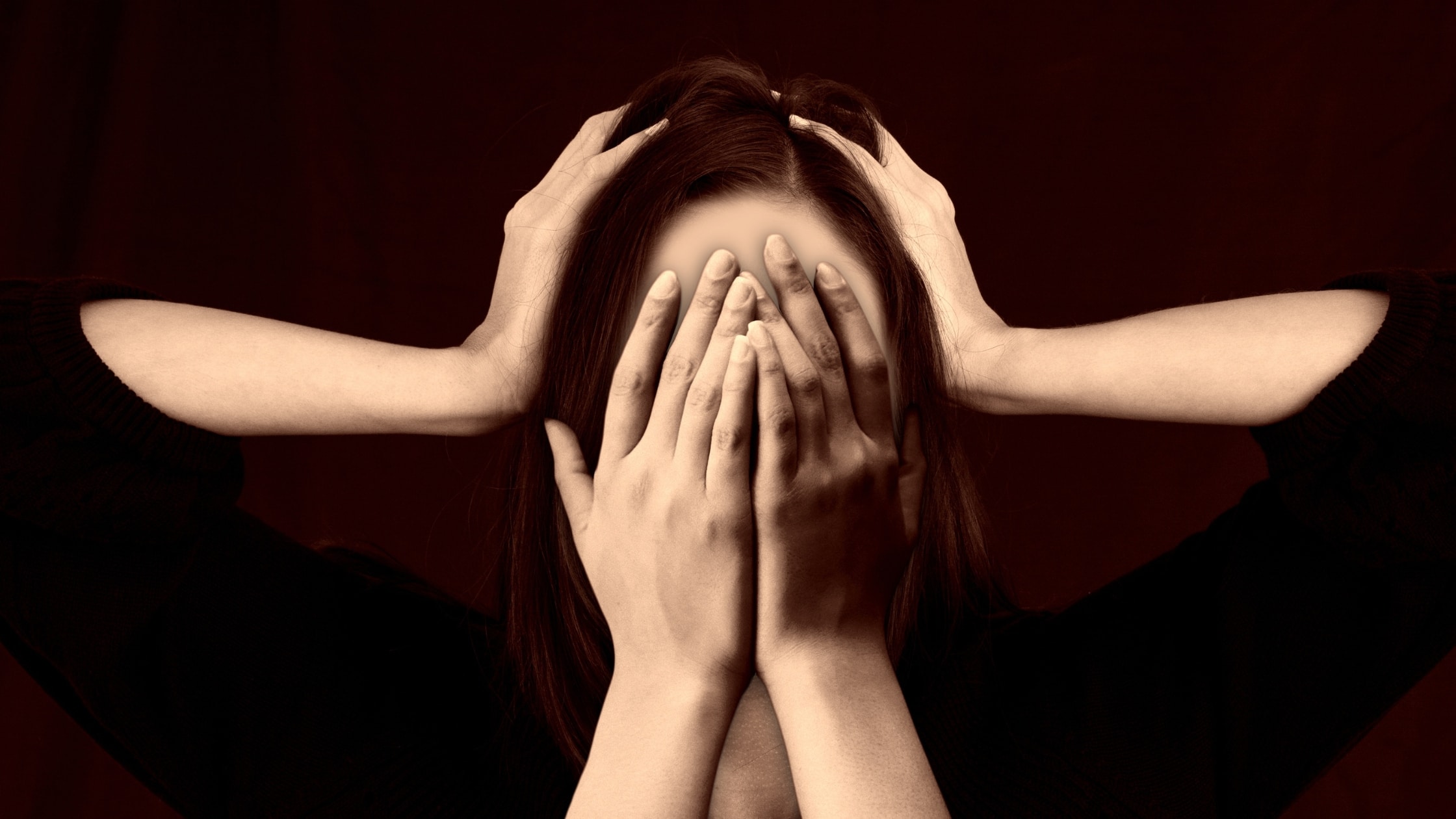
It looks like small, messy, courageous steps.
✨ Justin, 42
“I thought I had to hit rock bottom first. But recovery started when I finally told one friend the truth.”
✨ Marco, 31
“Therapy helped, but what really shifted things was learning how to feel safe in my body again.”
✨ Eli, 24
“I relapsed six times. I still count sometimes. But now I know that doesn’t mean I’ve failed — it means I’m human.”
Common themes in real recovery journeys:
- Support from someone who “gets it”
- Unlearning emotional shutdown
- Slowly reconnecting to hunger and fullness
- Making peace with strength that includes softness
6. Resources Tailored for Men in Anorexia Recovery
You’re allowed to seek help that feels like it’s meant for you — not someone else’s story.
Here are a few starting points:
🧠 Professional Support
- National Eating Disorders Association (NEDA) — male-specific info and helpline
- Therapists trained in male ED support (look for IAEDP or HAES credentials)
- Eating Enlightenment Coaching — holistic, non-shaming guidance
📱 Digital Tools
- Recovery Record App (log symptoms, track progress, connect to your team)
- Mindful Eating Journal — a non-diet way to track patterns without obsession
- Online men’s recovery forums (check moderation and tone first)
📘 Books
- Man Up to Eating Disorders by Andrew Walen
- The Invisible Man by John F. Morgan
- Reclaiming Body Trust by Hilary Kinavey — gentle, gender-inclusive
Conclusion: Being a Man With Anorexia Doesn’t Make You Broken — It Makes You Brave
If you’re a guy struggling with restriction, obsession, or fear around food — you are not weak.
You are not abnormal.
You are not alone.
You are human.
You’ve survived something.
And now you get to heal — not by becoming someone else, but by slowly learning how to come home to yourself.
There is no perfect recovery.
There’s only showing up — one choice, one breath, one meal at a time.
✨ Feeling curious about where your patterns might be coming from? Our free quiz is a gentle place to start.