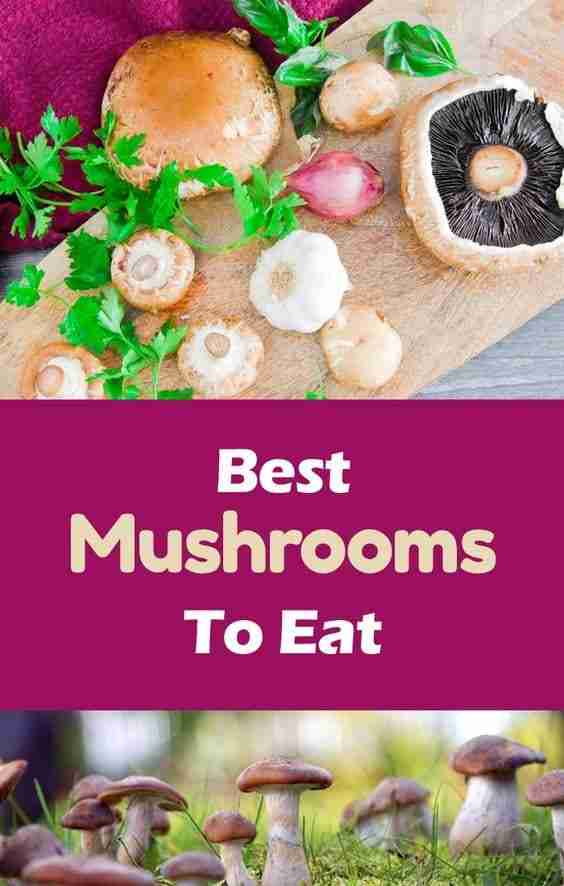

Mushrooms are more than just a culinary delight; they’re a powerhouse of nutrition and wellness benefits that can transform your health journey.
These fascinating fungi are packed with essential nutrients and have been celebrated for their remarkable properties in supporting overall well-being. From boosting immunity to enhancing mental clarity, mushrooms offer scientifically backed benefits that make them a standout choice in your quest for nourishing foods.
In this blog post, we’ll dive into the incredible advantages of five specific mushrooms that can significantly impact your health. Whether you’re looking to improve your immune system, increase energy levels, or support mental wellness, these mushrooms provide a versatile solution for your nutritional needs.
To complement your exploration of these health-boosting fungi, consider integrating the Eating Enlightenment Food Journal App into your wellness routine. This app is a valuable resource that helps you track cravings, manage emotional eating, and prevent binges. By aligning its insightful tools with your health goals, the app supports a balanced and holistic approach to well-being, guiding you toward a more mindful and empowered lifestyle.
Top 5 Best Mushrooms To Eat
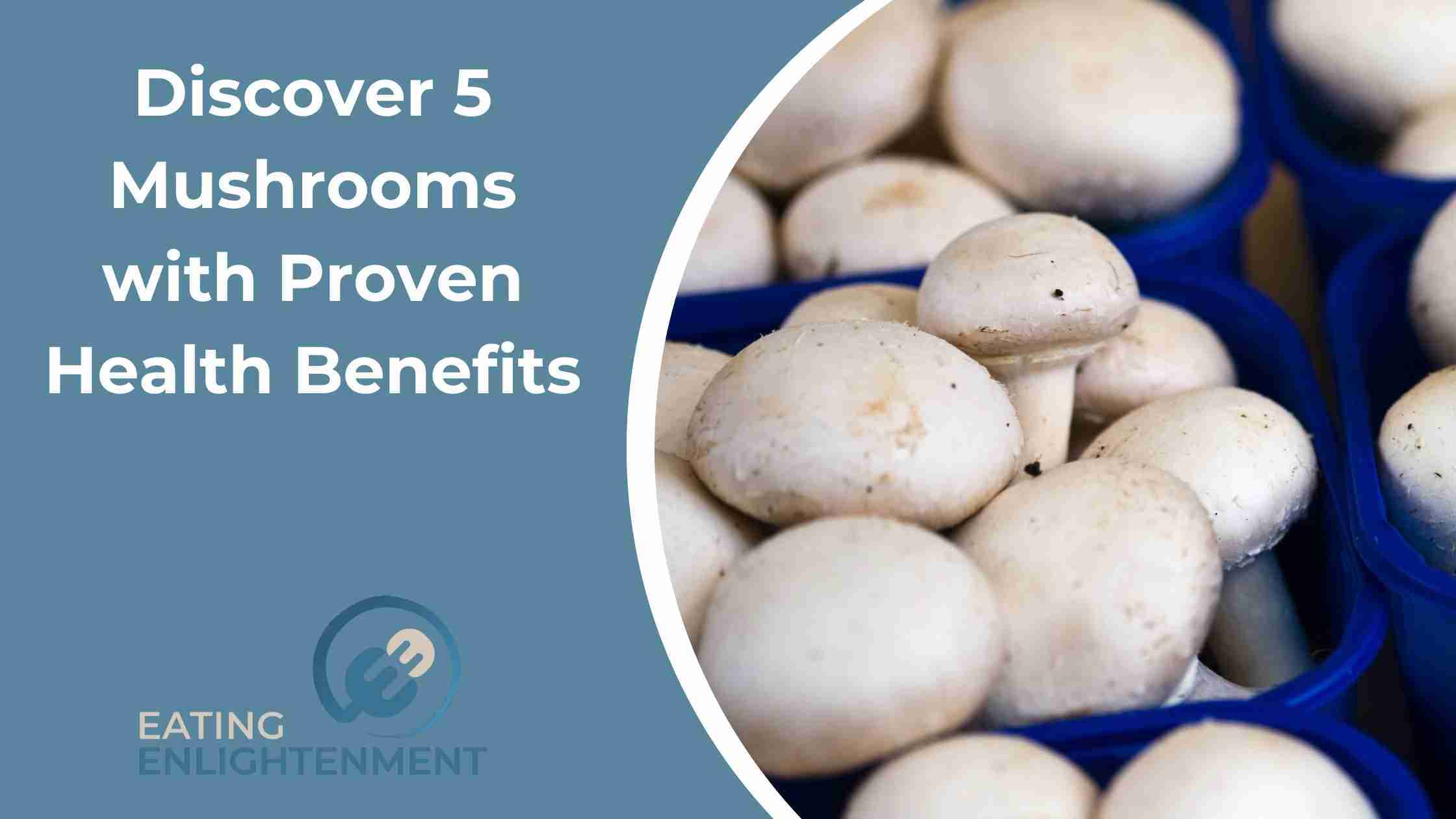
1 – White Button Mushrooms

White button mushrooms are the most frequently eaten mushrooms in the entire world.
Yep, white button mushrooms are the same mushrooms that you may have bought in the store before.
In this cancer research science paper on white button mushrooms, the conclusion of the report reads:
“the anticancer potential of phytochemicals in mushroom extract … supports the recommendation of white button mushroom as a dietary component that may aid in the prevention of prostate cancer.”
Boom! There you go. White button mushrooms help reduce some cancer.
Plus, these white button mushrooms will feel familiar because you’ve had them on pizza, and you can buy them easily at your local store.
In writing this article, I did indeed cook with white button mushrooms, and I can safely say that they are the same mushrooms you have on pizza!
Summary: White button mushrooms are easy to find, will feel familiar, are plenty healthy, and are a great place to start!
2 – Reishi
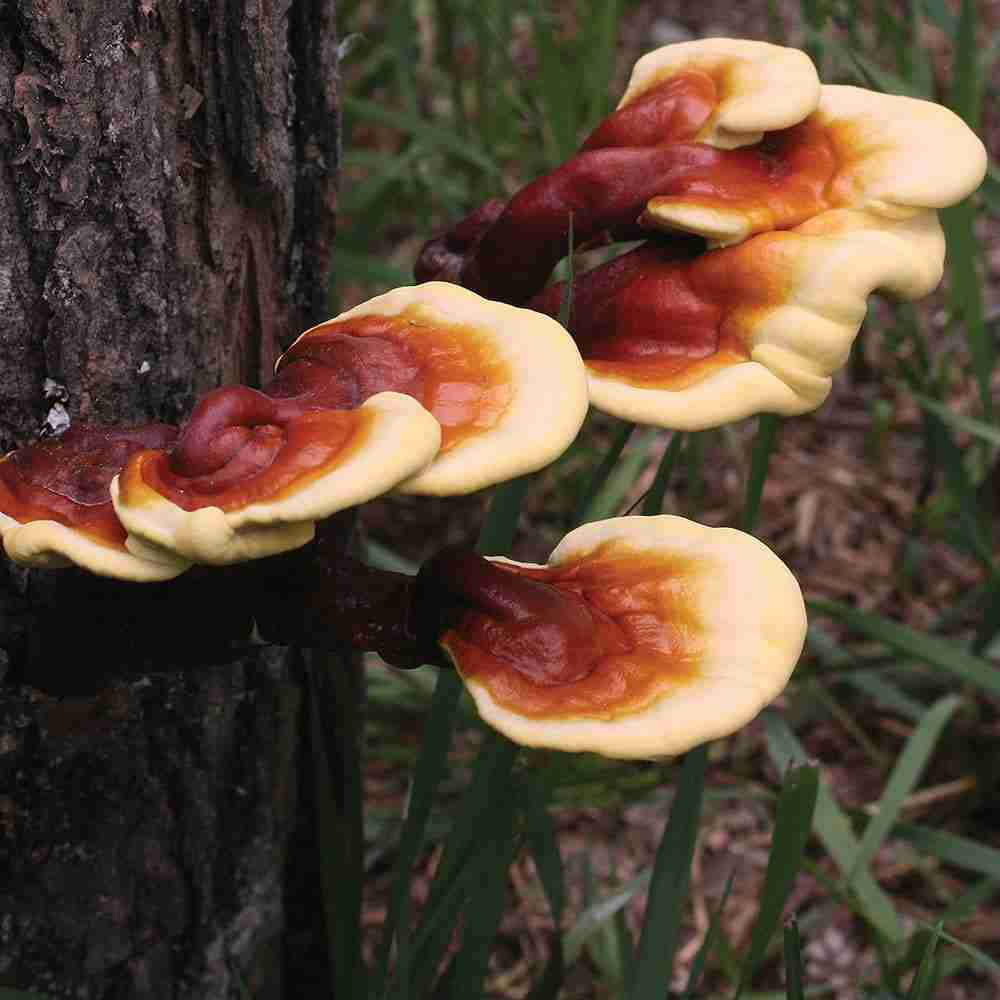
Reishi is among the most ancient mushrooms, valued in Asian cultures for thousands of years.
Traditionally, this mushroom has been a symbol of royalty and wellness, and for good reason.
It turns out there is solid science that backs up reishi being a powerfully healthy mushroom:
- One 2009 science paper demonstrated that reishi contains unique and special polysaccharides that help blood vessels avoid strange formations (e.g., cancer-forming cells)
- A 2013 science paper actually showed that chemicals unique to reishi mushrooms could help undo liver damage and aging in mice.
Finally, one last paper sees a link between reishi and the prevention of Alzheimer’s due to the likelihood that reishi mushrooms stimulate proteins used in nerve growth factors!
The cognitive benefits aren’t limited to reishi mushrooms, though. All of the mushrooms on the list have strong scientific evidence suggesting cognitive benefits.
Summary: Reishi mushrooms are great for your brain and may help prevent cancer!
3 – Chaga

Chaga is a mushroom similar to Reishi but with slightly different health properties.
While it’s likely that chaga also helps with cognitive functions similar to reishi, there is less scientific evidence supporting this notion, at least from what I have seen.
However, science shows that chaga helps reduce stress and has more antioxidants than other types of mushrooms.
For example, this science study showed that bacterial cells that had been given chaga responded better to oxidative stress than the other cells that did not receive chaga.
It’s well known that chaga contains the black chemical ‘melanin,’ which contains high amounts of antioxidants, just as do blueberries and coffee.
The chaga mushroom scored the highest of all superfoods in terms of antioxidants!
Antioxidants are great in helping with various bodily systems and functions, such as:
- nervous system
- cardiovascular
- immune
- maintaining proper blood sugar levels
- helping to prevent diabetes and high blood pressure
4 – Cordyceps

Cordyceps is similar to reishi and chaga in that it helps bodily systems.
However, unlike the cognitive benefits from reishi or the immune benefits from chaga, cordyceps are more likely to help with energy and sexuality.
This study shows how cordyceps can help your body be more efficient with oxygen and improve blood circulation.
Another study found that cordyceps can help athletes recover faster and improve performance.
5 – Lionsmane

I saved the best for last 🙂
Lions are the top of the food chain, and arguably lionsmane is at the top of the mushroom hierarchy in terms of health benefits.
Why? From the research I’m aware of, Lionsmane was the only mushroom in a double-blind clinical study that showed ‘mild cognitive improvement.’
Now, I know the word ‘mild’ may not sound like much, but please realize that for a single mushroom to show improvement is highly profound.
The study was small, admittedly, only 30 people above the age of 50:
- 50% were given an edible mushroom
- The other 50% were given a placebo
- They both took their pills 3x per day for 16 weeks
- They then were evaluated for four weeks.
The scientists saw a cognitive improvement in the group that was taking the mushrooms during the 16 weeks. However, during the 4 weeks without mushrooms, the cognitive benefits decreased.
The other group’s cognition did not improve or decline during the study.
So this is pretty cool! Lionsmane helps with cognition.
However, the downside is that the cognition benefits appear to last only while you continue to take the mushroom—go figure!
Summary: Lionsmane is one of the only mushrooms to have been the focus of a double-blind clinical study that showed significant cognitive benefits.
Now, let’s answer some of those frequently asked questions!
Where To Get Podcast Interview And Video
You can watch it here or read the in-depth post with the interview and commentary.

Please note that in the interview, Jeff recommends a variety of different edible mushrooms, such as:
- Shiitake mushrooms: Shiitake mushrooms are also popular, like white button mushrooms
- Maitake mushrooms
- Portobello mushrooms: For a tremendous stuffed Portobello mushroom recipe, see here!
- Turkey tail mushrooms: I debated putting turkey tail mushrooms on the top 5 list above
- Oyster mushrooms
- Wild mushrooms: See the note below about picking fruit in the wild.
FAQs:
What Is The Healthiest Way To Eat Mushrooms?
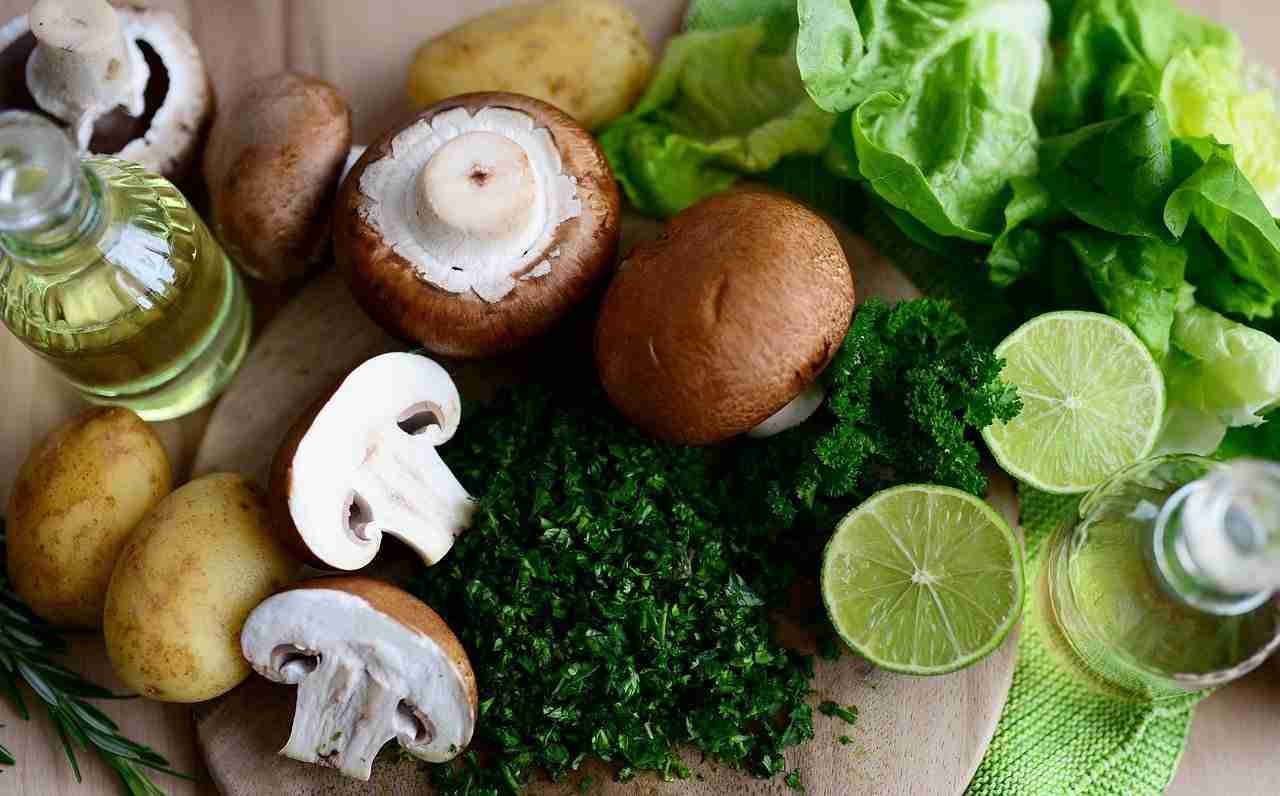
Technically speaking, the healthiest way to eat mushrooms is to follow these steps:
- Buy the mushroom spores
- Grow the spores into mushrooms in a garden
- Pick and cook the mushrooms
- Eat!
Why is doing everything yourself the healthiest?
If you buy the spores and grow and cook everything yourself, you will be certain you have the best quality ingredients.
Plus, by cooking yourself, you won’t lose any nutrients, which often get removed during processing.
However, growing your mushroom spores takes more time!
Because most people won’t grow their own mushrooms spores, I want to list five additional ways you can eat mushrooms:
- Buy and cook yourself
- Use mushroom supplement pills
- Mix the mushroom powder in teas and drinks
- Buy dehydrated mushrooms, rehydrate yourself, and cook yourself
- Order at a restaurant
In general, each of these ways is about equal in terms of nutrition. And generally speaking, in terms of nutrition, most or nearly all of the edible mushrooms contain:
- b vitamins
- help with blood sugar and blood pressure because it is high in fiber
- help nervous system
- may help fight back against cancer cells
How Do You Cook Dehydrated Or Dry Mushrooms?
You can get a handful of dried mushrooms and mix them with a few cups of water.
Around 1-2 cups of water per handful of dry mushrooms.
You then boil the mushrooms and watch as the mushrooms will double or triple in size!
Some mushrooms, like oyster mushrooms, are a bit smaller than other varieties, and they may even quadruple in size.
From there, it’s easy to add the mushrooms to pasta dishes, pizza, fried rice, or other stir-fried dishes.
How Do You Know If Mushroom Supplements Are Good?
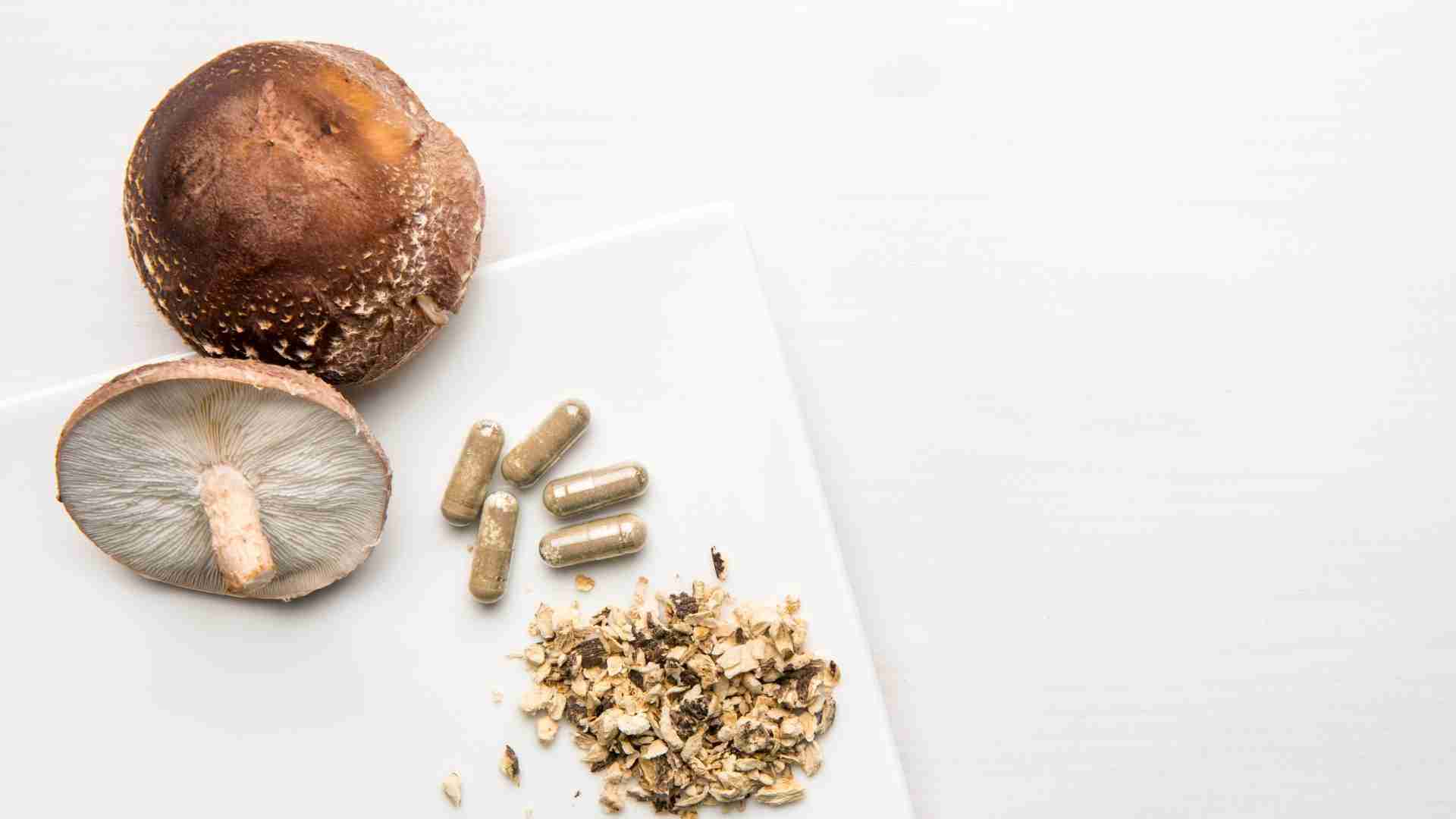
When I initially emailed Jeff for our podcast, I mentioned a brand of mushroom powder that I used to mix into teas and drinks.
Jeff was able to point out that the mushroom’s ingredient list did not include any reported ‘beta-glucan’ levels.
Beta-glucans are considered to be a major part of mushrooms and have many health benefits, so the lack of reported beta-glucans was suspicious.
When you search online for mushroom supplements and powders, ensure the ingredient list states the number of beta-glucans in the pill or powder.
How Do You Know If A Mushroom Is Good To Eat?
Generally speaking, if you buy mushrooms, whether in the store or restaurant or as a supplement or powder, they are good to eat.
I would never suggest picking mushrooms in the wild and consuming them.
If you are curious about eating mushrooms in the wilderness, check out this other post here.
Are Mushrooms Ok To Eat Everyday?
Yes! I try to have two mushroom supplements per day.
The only reason I prefer supplements over cooking is that I save time, but you could also cook and eat mushrooms daily.
Overall, though, I have not seen any problematic indications of eating too many edible mushrooms daily.
My gut feeling is that edible mushrooms are like beans, nuts, and other foods that extraordinarily healthy people eat daily. You really can’t have too many of them.
What Are The Best Mushrooms To Eat For Health?
Ooh. Good question.
I would say lionsmane is the best mushroom to eat for health.
The verifiable health benefits of lionsmane are pretty astounding!
But please keep in mind that other mushrooms, like chaga, may be better for immune system health. To be honest, the benefits of these different mushrooms are probably overlapping.
Finally, plenty of supplements and powders combine various mushrooms into one blend.
Okay, let’s wrap up this article. If you have any questions, please leave a comment below!
Let me know your thoughts on the new ‘medicinal mushrooms’ trend.
You know, like how states like Oregon have now decriminalized medicinal mushrooms for psychotherapy? 😉