


Have you ever noticed a new bruise and wondered how it got there? Easy bruising is a common concern that can perplex many of us about its underlying causes.
Often, these unexplained marks may be linked to a vitamin deficiency, which can impact the strength and resilience of our blood vessels.
In this blog post, we’ll delve into the possible connection between easy bruising and nutrient gaps in your diet. To aid in this journey of discovery and improvement, the Eating Enlightenment Food Journal App offers a supportive tool to help manage dietary habits, cravings, emotional eating, and binges, providing insights that nurture your path to well-being.
Let’s explore the factors that might be contributing to those mysterious bruises.
What is a bruise?
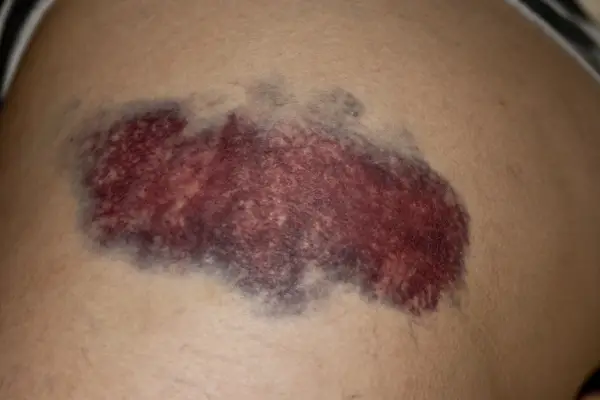
A bruise is a common injury when small blood vessels under the skin tear or rupture.
Sometimes, bruises cause little or no problems, but they can signal an infection. When this happens, blood leaks into the tissues, causing the area to turn black and blue.
When your skin gets redder or darker, and you are worried about your health, you should consult your physician first.
Most bruises are not cause for concern and will heal within a few days or two weeks.
However, if you bruise more easily than normal or have large bruises that take a long time to heal, it could be a sign of vitamin K deficiency.
According to a study in 2022, “Vitamin K deficiency can contribute to significant bleeding, poor bone development, osteoporosis, and increased risk of cardiovascular disease.”
Blood vessel walls need vitamin K to remain robust and less break-prone. If you are not getting enough vitamin K, your blood vessels may become weak and more susceptible to injury.
However, you could also be deficient in other vitamins, which we’ll discuss below.
Other Vitamin K Deficiency Symptoms

Easy bruising and excessive bleeding are the most common symptoms of vitamin K deficiency. You may also notice that your gums bleed more quickly than usual or that you have nosebleeds.
If the vitamin K deficiency is severe, you may experience more serious symptoms, such as:
- heavy menstrual bleeding
- blood in your urine or stool
- prolonged bleeding after surgery or injury
- joint pain
- bone pain
Liver Disease
Liver disease is another serious health problem that is not quickly treated, causing pain and discomfort.
To help your liver avoid blood clots and infections, the liver produces essential proteins that help to stop blood clots. Disruption in normal liver functions decreases protein levels.
Bleeding Disorders
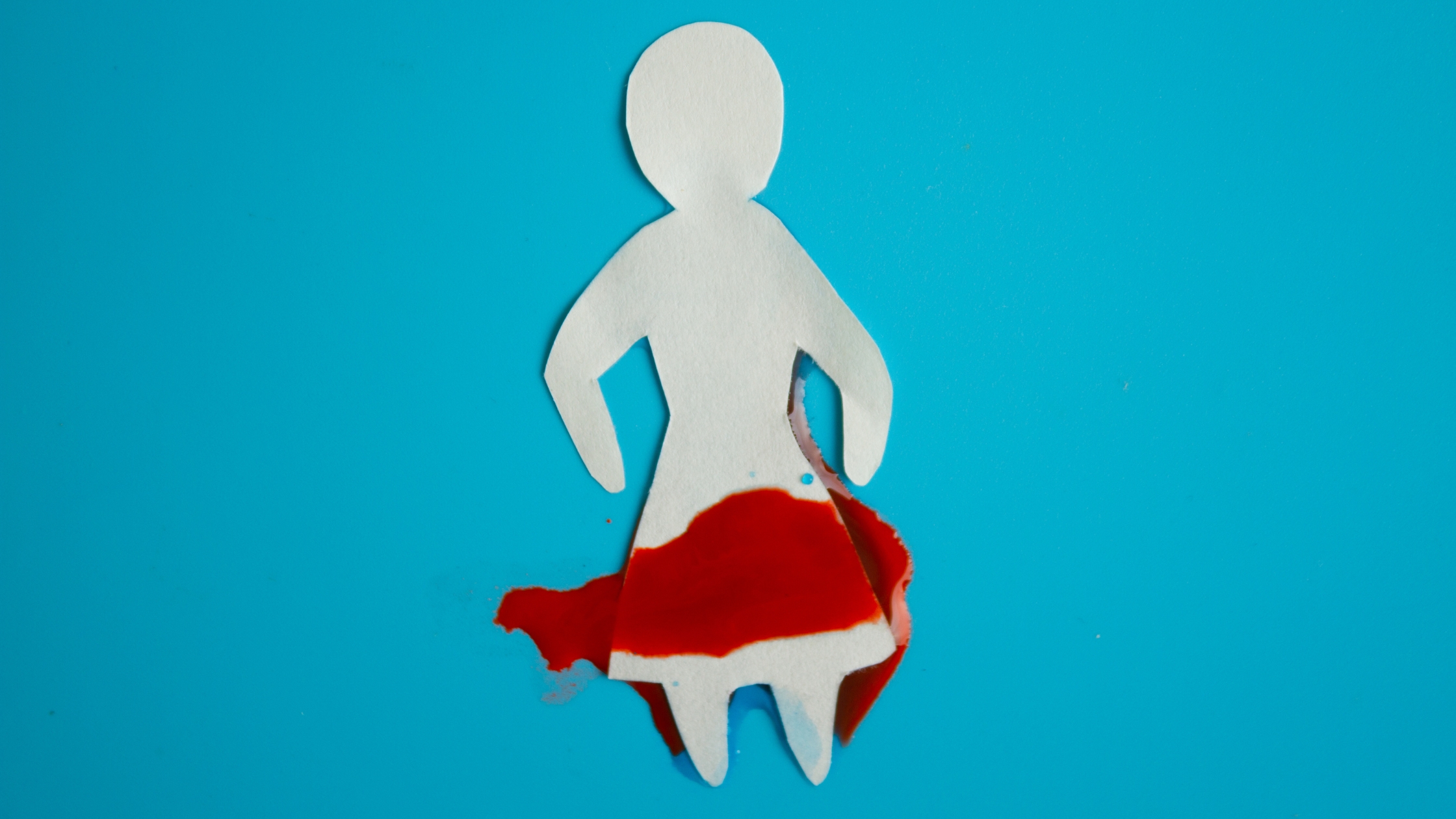
Vitamin K also works with other vitamins, minerals, and nutrients to help blood clot. A vitamin K deficiency can lead to a bleeding disorder.
If you have a vitamin K deficiency, you may experience:
- nosebleeds
- heavy menstrual bleeding
- excessive bruising
- blood in your urine or stool
- prolonged bleeding after surgery or injury
Bruise intense workouts
If vitamin K is deficient, you may bruise more easily with intense workouts.
Vitamin K is vital for helping the blood clot and repairing damaged blood vessels.
When you exercise intensely, your muscles can damage small blood vessels.
If you don’t have enough vitamin K, these tiny injuries can cause bruising.
Intense workouts can also lead to vitamin K deficiency because they can cause gastrointestinal bleeding.
This is when blood leaks from the intestines into the stomach and out of the body onto the stool.
You may not notice this type of bleeding, but it can deplete your vitamin K stores.
Low platelet count
Platelets are cells in your blood that help with clotting.
A vitamin K deficiency can cause a low platelet count, leading to bruising.
If you have a low platelet count, you may also experience:
- nosebleeds
- heavy menstrual bleeding
- excessive bruising
- blood in your urine or stool
- prolonged bleeding after surgery or injury
You may also need to take vitamin K if you take a medication that interferes with the absorption of vitamin K.
Causes of Vitamin K Deficiency
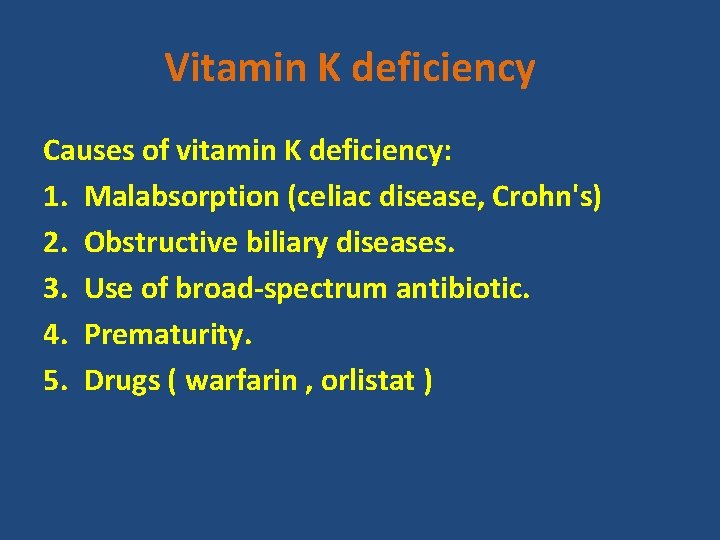
There are a few different reasons someone might develop a vitamin K deficiency.
One of the most common causes is taking certain medications that interfere with vitamin K absorption. These medications include:
- antibiotics
- blood thinners
- cholesterol-lowering drugs
Another cause of vitamin K deficiency is malabsorption, which occurs when your body cannot absorb vitamin K from food. This can be because of several different conditions, such as:
- celiac disease
- chronic liver disease
- cystic fibrosis
- pancreatitis
Blood disorders
Certain blood disorders can also lead to vitamin K deficiency.
For example, people with hemophilia have a condition that prevents their blood from clotting properly.
This can cause them to bleed longer than usual after an injury and bruise more easily.
If you have a blood disorder, then your vitamin K deficiency is often treated with vitamin K supplements.
You will probably need to take these supplements for the rest of your life.
Also, you may need to take vitamin K if you take a medication that interferes with the absorption of vitamin K.
You may also need to take vitamin K injections.
Diabetes
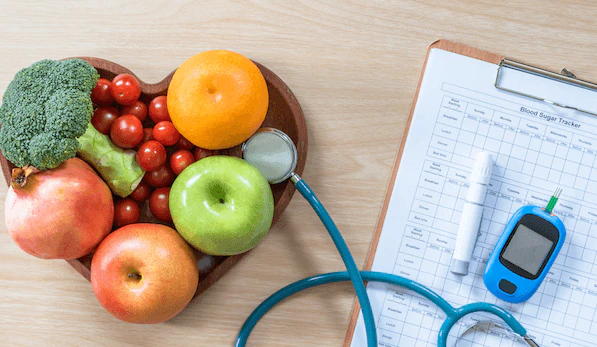
Diabetes can also lead to vitamin K deficiency.
High blood sugar levels damage the small blood vessels in your body, which can lead to gastrointestinal bleeding.
This type of bleeding can deplete your vitamin K stores and cause bruising.
Diabetes is also a risk factor for liver disease.
As mentioned earlier, liver disease can lead to vitamin K deficiency because it interferes with production.
If you have diabetes, monitoring your vitamin K levels and taking supplements if necessary is essential.
Drinking too much
Drinking too much alcohol can also lead to vitamin K deficiency.
Alcohol abuse is a risk factor for liver disease.
As mentioned earlier, liver disease can lead to vitamin K deficiency because it interferes with production.
If you drink excessively, monitoring your vitamin K levels and taking supplements if necessary is essential.
Vitamin K deficiency is a severe condition that can lead to bruising, as we mentioned earlier.
What nutrient deficiencies are responsible for bruising?

Several nutrient deficiencies can be responsible for bruising.
These include vitamin K, vitamin C, and vitamin D.
If you think you may be deficient in any of these vitamins, you must see a doctor and get tested.
You may also need to take supplements to correct the deficiency.
Low in Vitamin C
Vitamin C is essential for the production of collagen.
Collagen is a protein that helps keep your skin healthy and robust.
If you don’t have enough vitamin C, your skin may become thin and weak, making it more susceptible to bruising.
You need vitamin C to produce collagen.
You may develop a deficiency if you don’t eat enough foods that are high in vitamin C.
Unimpeachable sources of vitamin C include:
- oranges
- lemons
- limes
- strawberries
- red and green peppers
Low vitamin D
Too little sun exposure can also lead to vitamin D deficiency.
If you don’t spend much time in the sun, it’s important to monitor your vitamin D levels and take supplements if necessary.
Vitamin D is essential for bone health.
If you don’t have enough vitamin D, your bones may become weak and brittle. This can make you more susceptible to bruising.
How can I prevent vitamin deficiencies that cause bruising?
You can prevent vitamin deficiencies that cause bruising by eating a healthy diet and getting enough sunlight.
A healthy diet should include plenty of fruits, vegetables, and whole grains.
It would be best if you also aimed to get at least 15 minutes of sunlight daily.
You may need vitamin D supplements if you can’t get enough sunlight. You may check our vitamin guide here.
I also suggest these vitamin supplements for vitamin d, vitamin k and vitamin c.
Foods with vitamin K
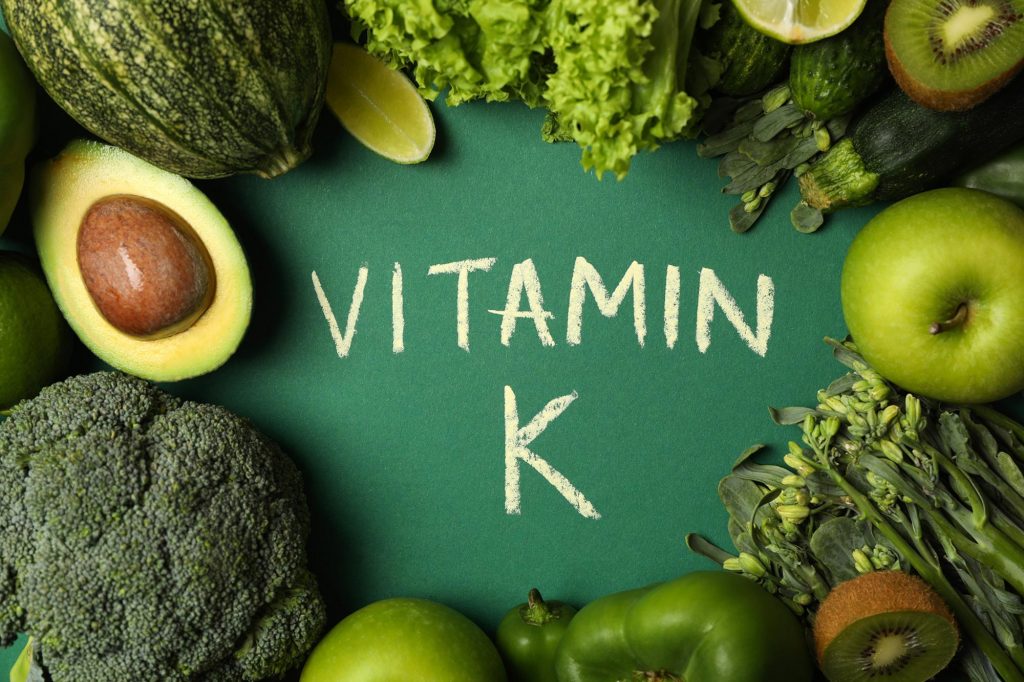
You may develop a deficiency if you don’t eat enough foods that are high in vitamin K.
Excellent sources of vitamin K include:
- leafy green vegetables such as kale, spinach, and collard greens
- broccoli
- cabbage
- brussels sprouts
- eggs
- meat
- poultry
Summary
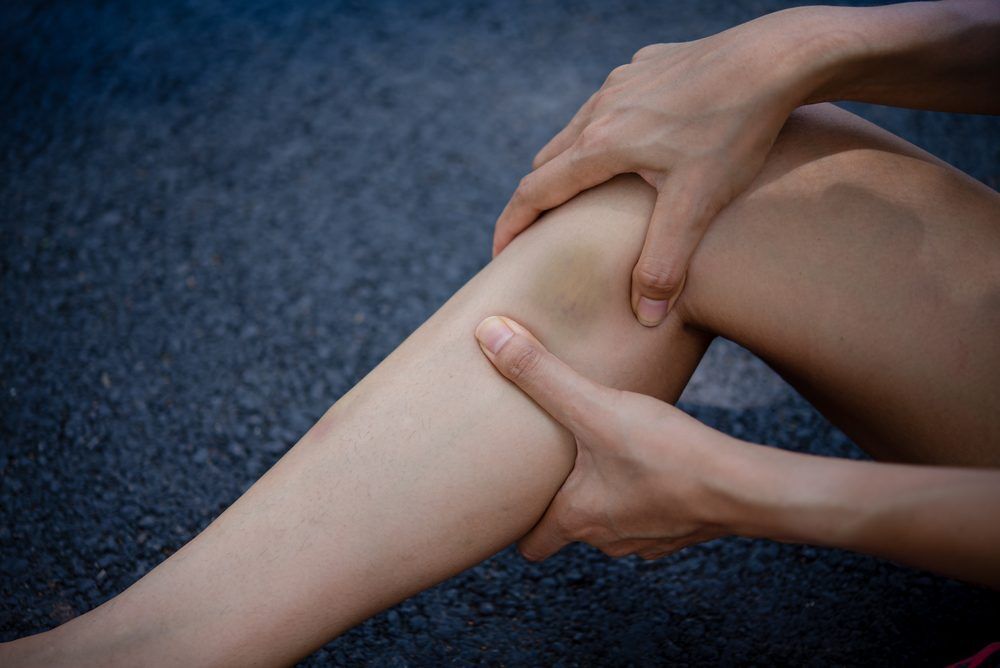
Vitamin deficiencies can cause easy bruising.
The most common vitamin deficiencies that cause bruising are vitamin K, C, and D.
You can prevent these deficiencies by eating a healthy diet and getting enough sunlight.
You may need vitamin D supplements if you can’t get enough sunlight.
If you think you may be deficient in any of these vitamins, you must see a doctor and get tested. You may also need to take supplements to correct the deficiency.