


Ever catch yourself fantasizing about crispy McDonald’s fries or a juicy Big Mac, even though you just ate? You’re not alone.
There’s something about that golden, salty goodness or the smell wafting through the air as you drive past the glowing arches that pull you in—almost like a magnet. But have you paused to wonder why these cravings hit so hard?
Fast-food desires aren’t just about hunger. They’re wrapped in layers of nostalgia, those perfect combinations of salty and sweet flavors, and even clever marketing designed to trigger your taste buds.
Whether it’s the comfort of a Big Mac after a stressful day or the simple convenience of a drive-thru after a busy schedule, these cravings often run more profound than they seem.
This post isn’t here to judge—far from it. Instead, it’s a curious exploration to help you understand those sudden urges for McDonald’s.
Together, we’ll explore ten surprising reasons behind your fast-food fixations, from emotional comfort to nutritional signals your body may be sending. We’ll also introduce you to journaling, a powerful tool for reflecting on and decoding your cravings.
By the end, you’ll feel better equipped not just to satisfy your cravings but also to understand and care for yourself a little more deeply.
Get ready to unravel the mystery behind your love for those fries. It’s time to dig in!

10 Reasons You’re Craving McDonald’s
Reason #1. Nostalgia and Childhood Memories
McDonald’s has a unique way of transporting you back to simpler times. Maybe you remember opening a Happy Meal with wide-eyed excitement or sharing fries with your family on a road trip. These nostalgic moments create unexpected emotional ties, especially during stress or when you long for comfort.
That craving for McDonald’s might not just be about the taste—it could be about reliving a warm, safe memory. To explore this connection, grab your journal and write about a positive memory involving fast food.
How might those nostalgic feelings influence your craving today? Understanding this can help you decipher when your cravings are about the food and when they’re about the emotions tied to it.
Reason #2. Convenience and Accessibility
Life gets hectic, and when rushing between meetings, errands, and personal responsibilities, McDonald’s is like a beacon of simplicity.
No meal prep, no long wait—just quick satisfaction in minutes. Its reliability and accessibility make it a go-to option for many, especially when time feels scarce. But convenience can also become a pattern.
Have you noticed how often you rely on fast food when busy or stressed? Take a moment to journal about this. Reflect on how your packed schedule might drive you toward McDonald’s. Awareness of these patterns is the first step to breaking them and carving out time for more intentional choices.
Reason #3. Highly Palatable Foods
McDonald’s foods aren’t just tasty but scientifically designed to hit the sweet spot. The perfect combination of salt, fat, and sugar in a single bite creates an irresistible reward loop in your brain, making you want more.
This isn’t just about enjoying the food; it’s about how it makes your brain react, lighting up those “feel-good” areas. Think about the last time you craved McDonald’s.
Were you seeking something salty, sweet, or fatty? Was there something emotional tied to it? Please write it down in your journal to track patterns. You might discover cues in your life—or your mood—that spark these cravings.
Reason #4. Nutritional Deficiencies

Your body is brilliant, often signaling what it needs through cravings. A hunger for McDonald’s fries? That might be your body asking for more salt or sodium.
An urge for a juicy burger? You could be low on protein or iron. Cravings can sometimes echo nutritional deficiencies, and understanding this can help you make more informed choices. Try journaling your weekly meals.
You might lack nutrients—like protein, healthy fats, or specific vitamins—? By tuning into these patterns, you can address physical needs directly instead of giving in to every craving.
Reason #5. Habit Loop Reinforcement
Do you automatically pick up McDonald’s like you grab your morning coffee? Familiarity and routine can turn cravings into habits.
Maybe the drive-thru is your default stop on the way home or grabbing a cheeseburger is part of your weekend tradition. These habits can reinforce cravings without you realizing it.
Reflect on your routines. Is McDonald’s a regular feature in your schedule? Write in your journal about the habits that might be reinforcing this pattern. Awareness gives you the power to disrupt automatic behaviors and replace them with choices that feel more intentional.
Reason #6. Marketing and Branding
Consider how often you hear a McDonald’s jingle or notice their commercials. These aren’t just ads—they’re carefully crafted reminders designed to stay with you.
Over time, those golden arches become synonymous with indulgence, comfort, or fun. Marketing pulls at your emotions as much as your appetite.
Take a moment to explore this influence. Have movies, commercials, or social media posts triggered your cravings? Write down how external influences like ads might be affecting you. Recognizing these cues can reduce their power over your decisions.
Reason #7. Emotional Comfort
McDonald’s is about more than satisfying hunger—it’s often a source of emotional relief. Those fries can feel like a warm hug, whether you’re stressed after a tough day, bored, or seeking comfort. Emotional eating is prevalent, but it can make cravings confusing.
Next time you notice this feeling, pause and reflect. What emotions are behind your cravings? Use journaling to process the connection between how you feel and why you’re turning to food.
Write about what you’re feeling and what eating McDonald’s provides emotionally. Understanding this link can help ease the pull toward emotional eating.
Reason #8. Dopamine and Fast Food Addiction
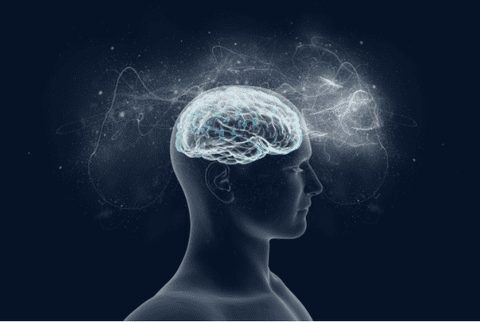
Did you know fast food sparks dopamine release in your brain? That’s the pleasure-inducing chemical that lights up when you eat a perfect McDonald’s fry or sip their creamy milkshake.
These quick bursts of joy are chemically rewarding, so the cravings return repeatedly. It’s more than just food—it’s biology.
When do you notice this pull the most? Journaling about when your cravings hit can reveal deeper patterns about how food impacts your mood and emotions.
Reason #9. Social Connections
How often is McDonald’s tied to gatherings? Whether it’s late-night runs with friends, post-game snacks, or lunch breaks with coworkers, the food frequently supports shared experiences.
These associations can amplify cravings, reminding you of the warmth of connection. When you’re longing for McDonald’s, ask yourself if you’re craving the food—or the sense of belonging. Write about your most memorable McDonald’s moments.
Understanding how these social ties fuel your cravings can help you tease apart physical hunger from emotional longing.
Reason #10. Deprivation and Cravings
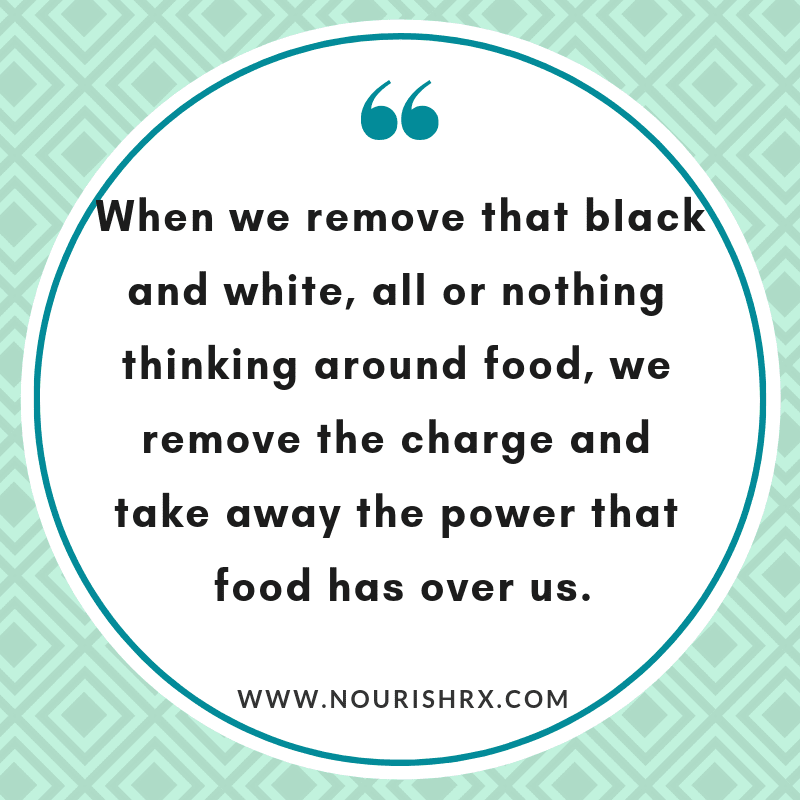
Think about the last time you told yourself, “I’m not allowed to eat that.” Did it make you crave it more? Often, restrictive diets lead to heightened cravings for “forbidden” foods like McDonald’s.
This isn’t a failure of willpower—it’s human nature. The more you resist, the stronger the urge. Consider using your journal to explore this.
Are you currently restricting foods or labeling certain items as “bad”? Reflect on how this might be fueling your cravings. Gradually allowing more balance and enjoyment in your diet might ease the cycle of extreme longing.
Exploring these reasons for your cravings in your journal will reveal powerful insights. Journaling doesn’t just help you manage the pull toward McDonald’s; it empowers you to meet your emotional and physical needs with understanding and intention.
5 Myths About McDonald’s Cravings, Simplified

Cravings for McDonald’s are legendary, but not everything you hear is true. Here’s a quick look at the most common myths.
1. McDonald’s Uses Addictive Chemicals
There are no “hidden drugs” in McDonald’s food. Cravings stem from the perfect combo of salt, fat, and sugar, which naturally trigger your brain’s reward system. Add memories of Happy Meals, and it’s no wonder cravings strike!
2. Fries Never Rot
The myth of “immortal” fries comes from dry environments where bacteria can’t grow—no preservatives. McDonald’s fries are real potatoes, plain and simple.
3. MSG Sparks Cravings
McDonald’s doesn’t add MSG to its burgers or fries in the U.S. Cravings are driven by flavors like beef seasoning and the fries’ unique taste—not MSG.
4. The McRib Is Pink Slime
The McRib is made from pork pressed into shape—not pink slime. While the process may seem industrial, it’s still real meat.
5. Branding Equals Addiction
McDonald’s cravings aren’t chemical; they’re emotional. Bold branding, comforting flavors, and nostalgia are what keep you coming back, not a secret ingredient.
Understanding the science and stories behind your late-night Big Mac craving makes it all the more interesting!
Breaking Free from the Binge-Diet Cycle

Cravings often start as fleeting thoughts—like salty fries or a creamy milkshake—but can escalate into binge episodes when ignored.
For many, this leads to the frustrating binge-diet cycle, where indulgence is followed by guilt-fueled restriction, and the cravings only grow stronger.
Restricting foods like McDonald’s may seem logical, but labeling indulgent treats off-limits often backfires, making them even more tempting. When you finally give in, guilt takes over, and the cycle begins again.
The Eating Enlightenment approach offers a compassionate, three-step process to change how you relate to cravings.

Step 1: Nutritional Journaling
Start by tracking meals to find gaps in nutrition—like low protein or irregular eating—that may drive cravings. For example, log your weekly meals, noting what you ate and when. This awareness often reduces cravings naturally.
Step 2: Mindfulness of Triggers
Next, pause when cravings hit and journal what you’re feeling or experiencing. Stress, boredom, or fatigue are all common triggers. Noticing these patterns gives you space to choose a conscious response instead of acting on impulse.
Step 3: Healing Inner Parts
Finally, explore the deeper reasons behind your cravings by journaling. Ask, “What is this craving asking for?” Whether it’s comfort or distraction, acknowledging these inner needs with compassion can stop the cravings from taking control.
This approach combines awareness, nourishment, and inner understanding to manage cravings. It transforms how one relates to them and helps one find peace with food.
Conclusion:
Cravings for McDonald’s can stem from various factors, from emotional triggers and the need for comfort to the irresistible lure of convenience and cherished memories tied to those iconic golden arches.
This combination of flavors, nostalgia, and emotions makes McDonald’s a powerful symbol of indulgence for many.
Understanding these cravings is the first step toward making more mindful eating choices. By becoming aware of what drives your hunger—stress, habit, or a longing for familiarity—you can start reclaiming control over your relationship with food.
Tracking and reflecting on your food habits provides valuable insights, helping you make choices that align with your well-being and goals.
Are you curious about why those cravings hit or what’s behind your eating habits? The Eating Enlightenment Journal App is here to guide you. Designed to make self-reflection simple and practical, the app helps you track cravings, identify patterns, and foster healthier choices with ease.
Download the journal app today or take the free quiz to uncover the reasons behind your unique relationship with food. Gain insights and begin your path toward balance and self-awareness.
Take the first step now! Download the Eating Enlightenment App or try the free quiz—your journey to understanding your cravings starts today.