


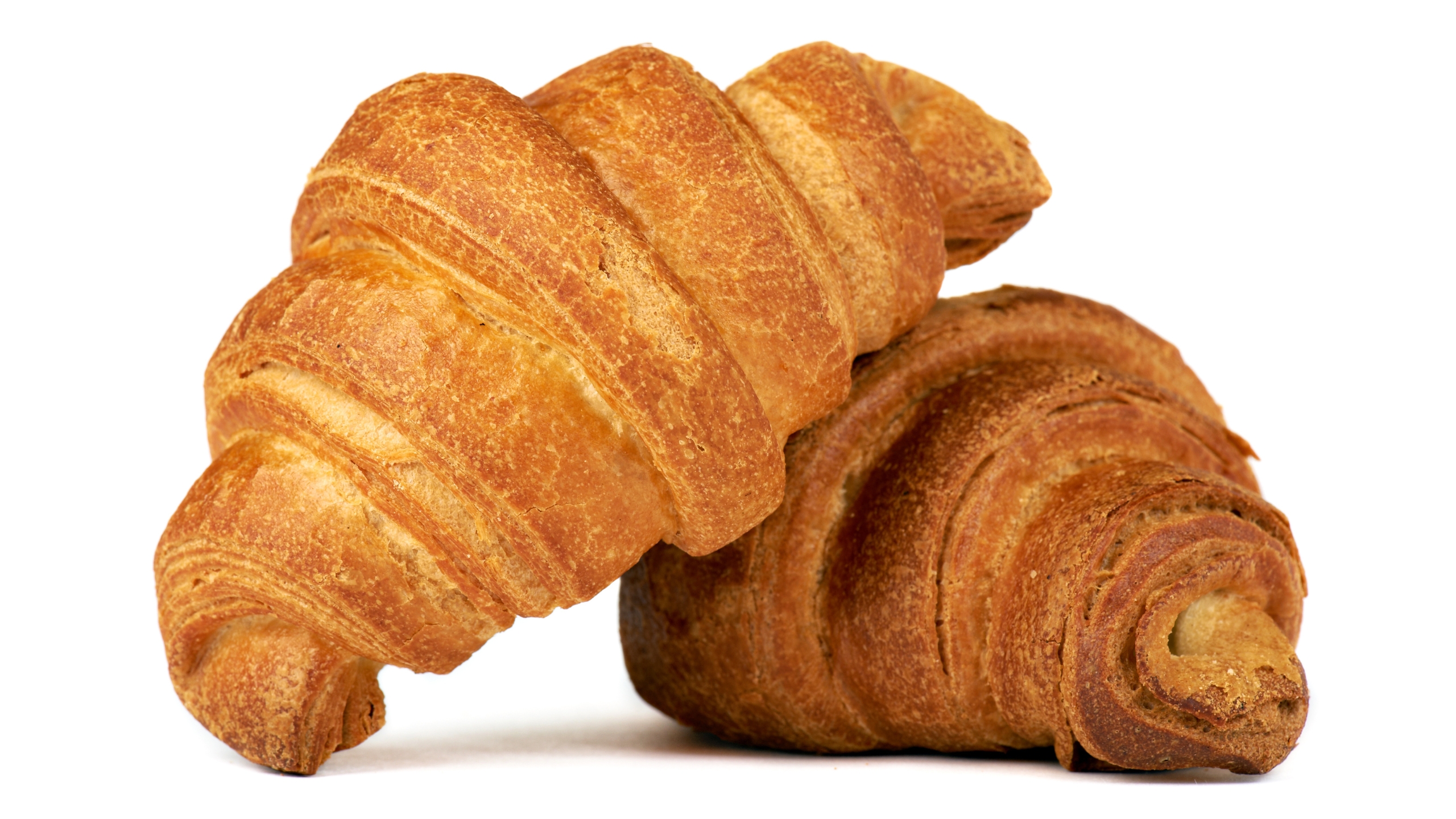
There’s something undeniably magical about croissants. One whiff of their buttery aroma instantly transports you to a quaint café in Paris, where you savor each flaky bite.
The craving can hit hard and fast, whether rushing past your favorite bakery in the morning or scrolling through perfectly staged croissant photos online.
But why? What is it about these golden pastries that’s so irresistible? Let’s explore five compelling reasons behind your sudden desire for croissants and unravel the deeper connections to your body, mind, and environment.
Reason #1: Nutritional Needs
It’s no secret that croissants are rich in fats and carbohydrates, making them the ultimate source of quick energy. These nutrients are exactly what your body craves when running on empty. If you’ve skipped a meal or opted for low-fat options earlier in the day, your cravings might be your body’s way of asking for fuel. Beyond energy, the satisfying blend of carbs and fats can momentarily silence hunger in the most comforting way possible.
Journaling Prompt:
Ask yourself, “Have I eaten enough today to give my body the energy it needs?” Write down your meals and note where there might be gaps. This can help you identify undernourishment patterns that might fuel your cravings.
Reason #2: Emotional Comfort
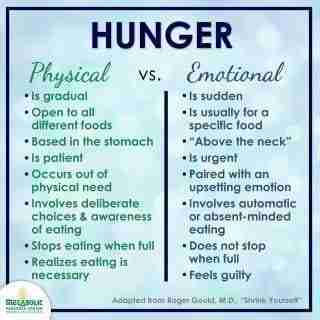
Does biting into a warm croissant remind you of childhood mornings or a leisurely vacation breakfast? For many, croissants are more than just a treat; they’re a source of emotional solace. Comfort foods, like croissants, can evoke feelings of warmth, safety, or nostalgia. When you’re stressed, sad, or overwhelmed, the buttery comfort of a croissant can feel like a much-needed hug in pastry form.
Mindfulness Journaling Prompt:
Pause and reflect on what you’re feeling when the craving hits. Write down, “What am I feeling right now? Is this craving linked to my mood?” Understanding your emotional triggers can be the first step to addressing them in healthier ways.
Reason #3: Lifestyle and Routine
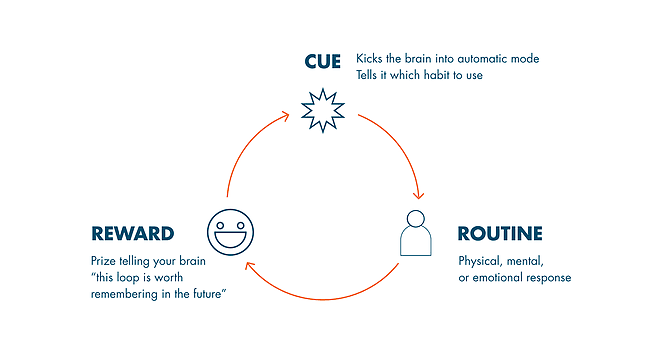
How often do you pass by a bakery on the way to work or grab a quick croissant when life gets busy? Daily patterns and routines usually shape your cravings, especially when schedules become hectic. A morning rush without breakfast or an afternoon slump can naturally draw you to the quick satisfaction of a croissant. Their portability makes them the perfect grab-and-go snack for people on the move.
Journaling Tip:
Track your daily habits and routines. Are there specific times or situations where your croissant cravings arise? Journaling these patterns might reveal surprising insights and help you plan with nutritious alternatives.
Reason #4: Psychological Triggers

Have you recently labeled pastries like croissants as “off-limits” or restricted yourself from indulgent treats? Sometimes, the more you forbid something, the stronger the craving becomes. Psychological factors like guilt, stress, or feelings of rebellion can intensify your desire for a croissant. Food shouldn’t feel restricted or forbidden, as deprivation can create an unhealthy cycle that ends in overindulgence.
Journaling Exercise:
Explore your thoughts when longing for a croissant. Ask yourself, “Am I thinking things like ‘I shouldn’t eat this’? How does that make my craving feel stronger?” Shifting toward a neutral, non-restrictive mindset about food can help reduce the power of cravings.
Reason #5: Cultural or Environmental Influences

There’s no denying the allure of croissants as indulgent, luxurious, and oh-so-French. From social media feeds filled with perfect Parisian aesthetics to scenes from romantic movies set in cozy cafés, croissants are often portrayed as a symbol of relaxation and enjoyment. If you’ve traveled or grown up with culturally rich images of croissants, your environment or memories might amplify your craving for them.
Reflective Journaling Prompt:
When the craving hits, think about your environment. Write down, “Are external factors, like social settings or cultural associations, impacting what I want?” This awareness can help you understand how much influence your surroundings have.
Myths About Cravings for Croissants

- Craving Croissants Means You’re Unhealthy
Feeling drawn to a buttery pastry doesn’t mean your health is crashing; sometimes, you want a treat! - You’re Lacking Self-Control
Cravings are normal! It’s not about willpower but understanding what your body or emotions might need. - It’s Just Hunger
Not always! Croissant cravings can also be a source of emotional comfort or triggered by routine (e.g., passing a bakery). - Croissants Should Be Avoided
Labeling croissants as “bad” only intensifies cravings. Moderation is key, not elimination. - Cravings Always Have Deep Meaning
Sometimes, a croissant is just a croissant. Not every craving reflects unmet emotional needs. - You’re Addicted to Carbs
Craving carbs occasionally is natural and doesn’t mean you’re addicted or doomed. - Giving in Will Ruin Your Diet
Enjoying a croissant won’t derail your health goals. Food can be part of a balanced lifestyle. - Once You Start, You Can’t Stop
Savoring one croissant mindfully is perfectly doable and satisfying!
Understanding What Cravings Might Be Telling You
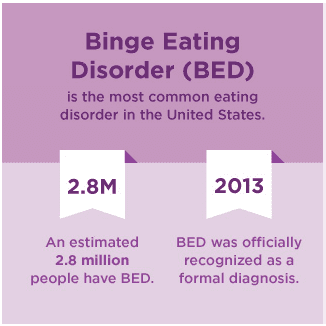
Cravings often reveal more than a simple desire for certain foods; they can signal unmet needs or deeper patterns in your relationship with food. Persistent or intense cravings might point to binge eating disorder (BED), a cycle of restriction, intense craving, bingeing, and shame. This pattern is fueled by unaddressed emotional triggers or the stress of restrictive dieting.
The Eating Enlightenment Approach to Cravings

- Nutritional Journaling
Begin by balancing your meals. Write down when and what you eat to ensure you’re consistently nourishing your body. Meeting physical needs reduces chaotic cravings. - Mindfulness of Triggers
Use journaling to explore emotions or environments tied to cravings. Ask yourself, “What sensations or emotions arise when I crave certain foods?” - Healing Through Inner Journaling
Delve deeper into unresolved issues by asking, “What is this craving trying to tell me? Do I need comfort or security?” This fosters self-compassion and greater understanding.
By reflecting on your cravings and approaching them with awareness, you can discover insights that lead to a more balanced relationship with food.
Reflecting on Your Cravings for Croissants

Cravings for croissants are much more than buttery layers and flaky goodness. Whether it’s the rich aroma wafting from a bakery, the comforting texture and taste of a perfectly baked treat, or even a subtle signal from your body about its nutritional needs, your cravings tell a story. They might connect you to joyful memories or offer solace on a busy day.
Rather than viewing these cravings as something to resist, approach them with curiosity and self-compassion. What are they trying to communicate? Reflecting on these moments can be a step toward understanding not only your food choices but also your emotions and your body’s needs.
To deepen this exploration, why not try the Eating Enlightenment Journal App? It’s a free tool designed to help you track your cravings, uncover patterns, and build a healthier, more mindful relationship with food. Download it today and take the first step toward finding balance and freedom in your food choices.