


Cooking spaghetti can sometimes feel like a guessing game. Too much, and you end up with leftovers for days. Too little, and someone at the table might go hungry.
Finding the right portion size doesn’t have to be complicated. In this blog post, we’ll guide you through easy methods to measure the perfect portion of spaghetti every time.
Whether you’re a home cook trying to serve your family or a health enthusiast managing your diet, this guide will help you make the perfect plate of pasta.
You’ll discover practical tips, exciting facts, and simple tools you can use right in your kitchen.
Why Portion Size Matters
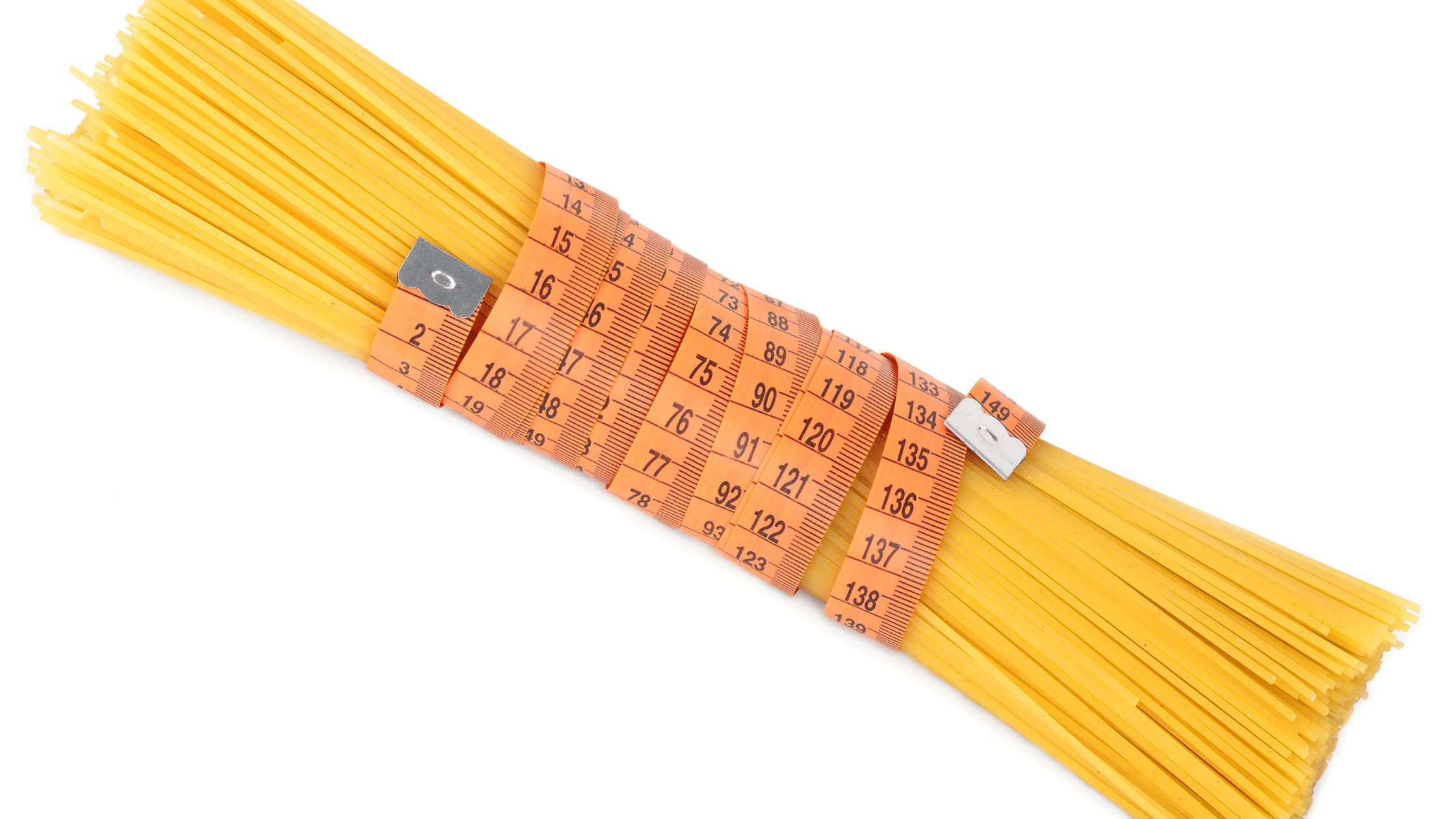
Portion control is crucial for several reasons. First, it helps prevent food waste. Cooking the right amount means you won’t have to throw away leftovers. Second, portion size affects your health.
Eating too much pasta can lead to weight gain while eating too little might leave you unsatisfied.
Understanding portion sizes also helps with balanced nutrition. By knowing how much spaghetti to cook, you can better manage your intake of carbohydrates and balance it with proteins and vegetables.
Finally, mastering portion sizes can save you money. Buying only what you need means fewer trips to the grocery store and less money spent on food.
Common Mistakes in Measuring Spaghetti
Many people make common mistakes when measuring spaghetti. One mistake is using your eyes instead of a measuring tool. This often leads to either too much or too little pasta. Another common mistake is not considering the type of spaghetti. Different kinds of pasta have different cooking volumes.
Some people also forget to factor in who they’re serving. Adults eat more than children, and athletes might need even more significant portions. Finally, not accounting for the sauce and other ingredients can reduce your measurements.
Avoiding these mistakes can make a big difference. Accurate measurements lead to better meals, helping you enjoy your spaghetti to the fullest.
Tools to Measure Spaghetti Portions
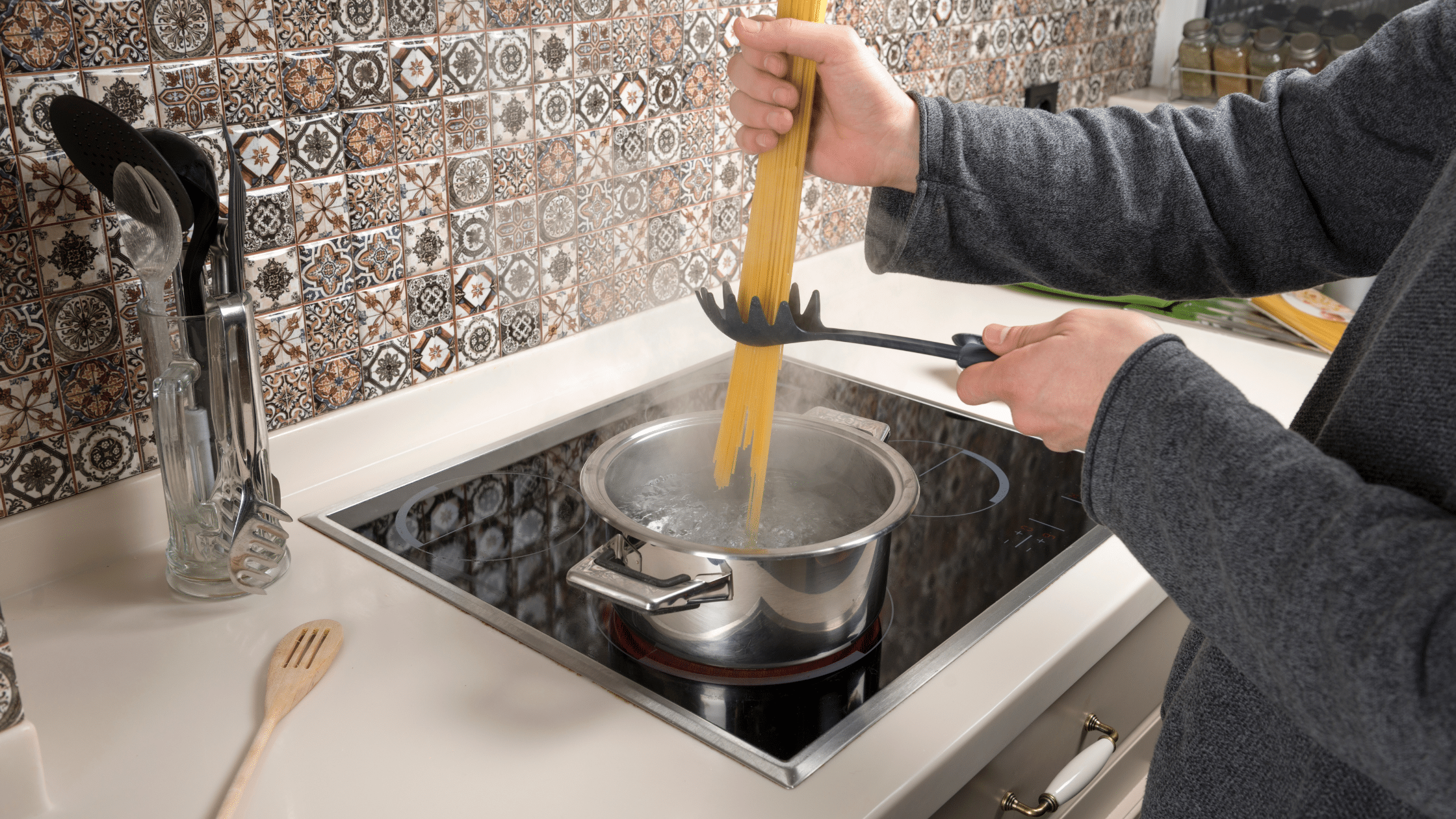
You don’t need fancy equipment to measure spaghetti accurately. Simple kitchen tools can do the trick. One popular tool is the pasta measurer, a small device with different-sized holes. Each hole represents a portion size, making it easy to measure the right amount.
A kitchen scale is another helpful tool. Weighing your spaghetti ensures you get the exact portion you need. For those who prefer not to use extra gadgets, a simple hack is to use the diameter of a standard soda bottle opening. One serving of spaghetti fits perfectly through the opening.
Using these tools can simplify your cooking process. They make it easy to achieve consistent results, ensuring every meal is just right.
How to Measure Spaghetti by Hand
If you don’t have any measuring tools, don’t worry. You can still measure spaghetti by hand. A good rule of thumb is to use the diameter of a quarter. One serving of dried spaghetti should fit within that circle.
Another method is to use your finger and thumb. Make a circle with your finger and thumb about the size of a quarter. The amount of spaghetti that fits through the circle is one serving.
These hand-measurement techniques are quick and convenient. They allow you to measure portions accurately without any special tools.
Adjusting Portions for Different Eaters
Different people have different needs. Adults generally eat more than children, and athletes might require larger portions due to their high energy needs. Consider each person’s age and activity level when cooking for a family.
A standard serving size for an adult is about 2 ounces of dried spaghetti. For children, 1 to 1.5 ounces might be enough. Athletes or highly active individuals may need up to 3 ounces per serving.
Adjusting portions ensures everyone gets the right amount, helps avoid leftovers, and leaves the table satisfied.
Factoring in Sauce and Ingredients
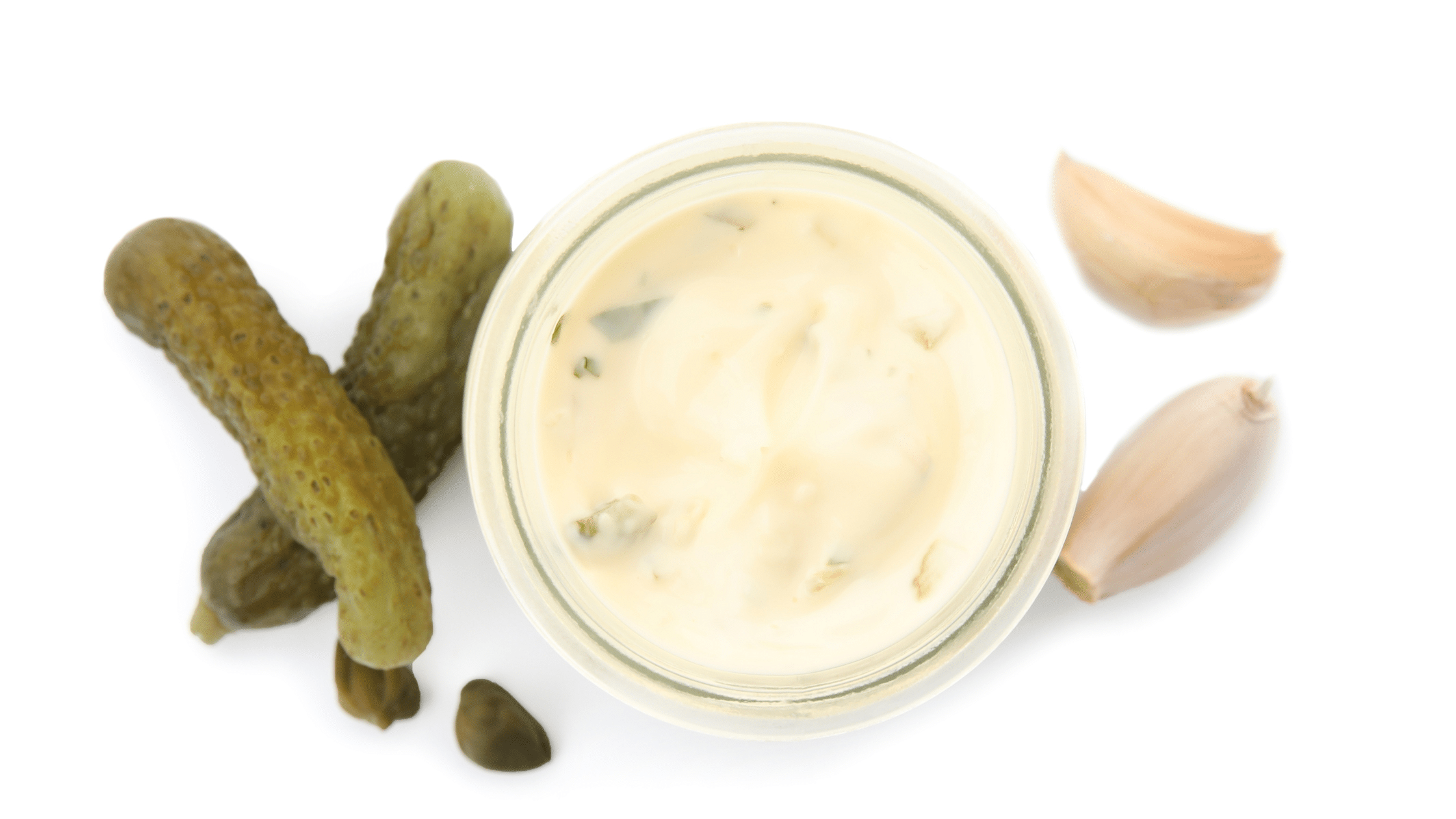
The sauce and additional ingredients can affect your portion size. Heavy sauces like Alfredo might be more filling than lighter tomato-based sauces. If you’re adding meatballs or vegetables, you might need less pasta.
Think about the overall balance of your meal. If you’re serving a rich, heavy sauce, consider reducing the portion of spaghetti. Conversely, if you’re serving a light sauce, olive oil, and garlic, you might want more pasta.
Balancing your ingredients ensures a well-rounded meal. It helps you enjoy all the flavors without overindulging in one component.
Using Leftovers Wisely
Sometimes, despite our best efforts, we end up with leftover spaghetti. Don’t worry; leftovers can be delicious. Store your cooked spaghetti in an airtight container in the refrigerator. It will keep for up to three days.
Leftover spaghetti can be repurposed into new dishes. Think spaghetti frittata, stir-fried pasta, or even a cold pasta salad. These options make it easy to enjoy your leftovers without getting bored.
Using leftovers wisely reduces waste and stretches your food budget. It also gives you a chance to get creative in the kitchen.
Practical Tips for Consistent Measurements
Consistency is critical when measuring spaghetti. One tip is always to use the same method, whether a pasta measurer, kitchen scale, or hand measurement. Sticking to one method ensures consistent results.
Another tip is to practice. The more you measure, the better you’ll get at eyeballing the right amount. Finally, keep a record of what works. If you find the perfect portion size for your family, write it down for future reference.
These practical tips make it easier to measure spaghetti accurately every time. They help you build habits that lead to better meals.
The Role of Spaghetti in a Balanced Diet
Spaghetti can be part of a balanced diet. It provides essential carbohydrates that fuel your body. Pairing spaghetti with protein sources like chicken or beans and plenty of vegetables creates a well-rounded meal.
Moderation is key. Enjoy your spaghetti in proper portions, and balance it with other food groups. This approach helps you enjoy your favorite dishes without compromising your health.
Spaghetti’s versatility makes it a valuable addition to your diet. It’s easy to prepare and pairs well with a variety of ingredients.
Engaging with the Community
Sharing your spaghetti experiences can be fun and educational. Join online food communities or social media groups, share your tips, and learn from others.
Engaging with a community of food lovers can help you discover new recipes and techniques, as well as provide support and inspiration.
Community engagement enriches your cooking experience. It helps you connect with others who share your passion for good food.
What is the recommended serving size of spaghetti?
- The recommended serving size of cooked spaghetti is about 1 cup, typically 2 ounces of dry pasta.
- This portion provides a balance of carbohydrates and energy suitable for a meal.
- Adjust the serving size based on your personal dietary needs and hunger levels.
- Remember to pair spaghetti with nutrient-rich sauces and vegetables for a well-rounded meal.
How much spaghetti is a proper portion?
A proper portion of cooked spaghetti is about 1 cup, which equates to around 2 ounces of dry pasta. This serving size provides a balanced amount of carbohydrates and energy. Pair it with nutrient-rich sauces and vegetables to create a wholesome, satisfying meal that supports your wellness journey.
Is 100g of spaghetti a sufficient amount?
Yes, 100g of dry spaghetti is sufficient for one person. It typically cooks about 1.5 to 2 cups of pasta, providing a hearty serving. Pair it with various vegetables and lean proteins to create a balanced, nourishing meal that supports your overall well-being.
Conclusion
Mastering the art of measuring spaghetti portion sizes can transform your cooking. It helps you avoid waste, eat healthier, and enjoy your meals more. Using simple tools and practicing consistency, you can serve the perfect plate of spaghetti every time.
Start experimenting with these tips in your kitchen. Notice how accurate portions can improve your dining experience. Remember, the key to great cooking is understanding and enjoying the process.
If you’re eager to learn more, consider joining our community or booking a session with one of our expert chefs. Together, we can explore the endless possibilities of cooking and eating well.