


Concussions are complex injuries that require comprehensive care for optimal recovery. While rest and medical guidance are paramount, nutrition plays a pivotal role in supporting the healing process. Including certain foods in your diet can help diminish inflammation, facilitate tissue repair, and optimize brain function throughout the recovery period. This article will delve deeper into some of the best options. Read on!
1. Omega-3 Fatty Acids: The Powerhouses of Brain Health
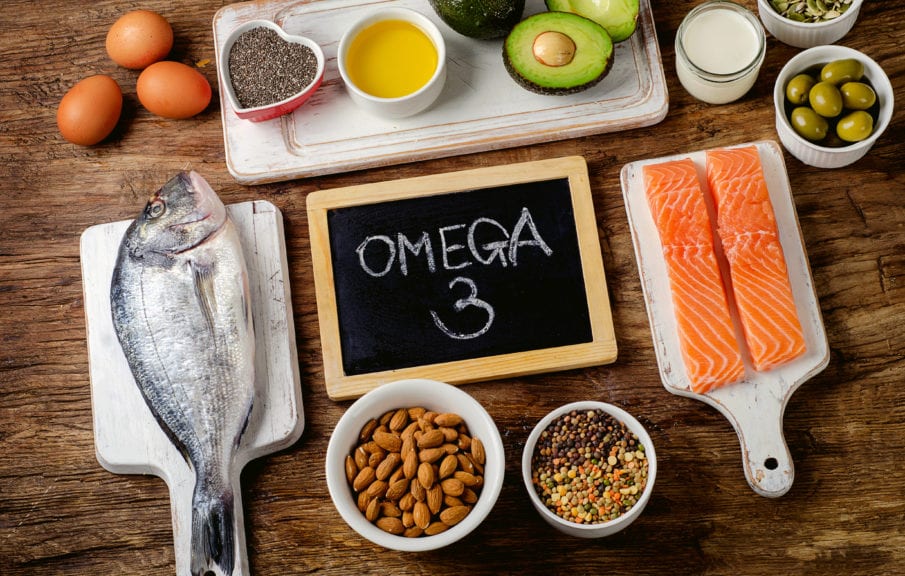
Omega-3 fatty acids, particularly EPA and DHA, have shown promise to heal concussion faster.
After a concussion, inflammation can occur in the brain, contributing to further damage and delaying healing. The anti-inflammatory effects of omega-3s, particularly EPA and DHA, may help address this and support the brain’s natural healing process.
Additionally, some research suggests that omega-3s have neuroprotective qualities, meaning they can help protect brain cells from injury or death. This could limit the extent of brain damage caused by a concussion and promote the recovery of affected brain cells.
Here are some great sources of omega-3 fatty acids:
- Fatty fish such as salmon, mackerel, herring, trout, and sardines
- Plant-based alternatives like chia seeds, flaxseeds, and walnuts
- Omega-3 fortified foods
To maximize the benefits of omega-3 fatty acids for concussion recovery, aim to consume at least 250–500 mg of EPA and DHA daily. This can be achieved through a combination of dietary sources.
2. Antioxidant-Rich Foods: Nature’s Defense Against Oxidative Stress
Concussions can trigger oxidative stress, leading to further damage to brain cells. Antioxidant-rich foods counteract this effect by neutralizing harmful free radicals.
Green tea, dark chocolate, and nuts such as almonds and pecans offer potent antioxidant benefits.
Colorful fruits and vegetables like berries, spinach, kale, and sweet potatoes are brimming with antioxidants such as vitamins C and E, beta-carotene, and flavonoids.
Notably, the anthocyanin subclass of flavonoids found in berries can cross the blood-brain barrier and activate signaling pathways that reduce inflammation. Studies show that regularly consuming berries can improve neurological function and motor skills following traumatic brain injuries.
3. Protein-Packed Foods: Building Blocks for Tissue Repair
Protein is essential for restoring damaged tissues and supporting muscle recovery—a crucial aspect of concussion recovery.
Lean sources of protein like poultry, eggs, tofu, and legumes provide the amino acids necessary for tissue repair and regeneration. Grass-fed meats, pasture-raised poultry and eggs, fatty fish, legumes, tofu, tempeh, and quinoa are excellent sources of protein as well.
Aim for 0.5–0.7 grams of protein per pound of body weight daily as part of a balanced plate to provide raw materials for rebuilding damaged brain tissue. Also, consuming protein with each meal helps stabilize blood sugar levels and provides sustained energy, aiding recovery.
4. Complex Carbohydrates: Fueling Your Brain and Body
While concussion recovery often emphasizes rest and limiting physical activity, the brain and body still require steady energy to function optimally and support the healing process. Complex carbohydrates provide a sustained fuel source, ensuring the brain and body have access to the glucose they need to operate efficiently.
Whole grains, such as quinoa, brown rice, and oats, are excellent sources of complex carbohydrates. These options offer a gradual release of energy, preventing the spikes and crashes associated with simple sugars.
Furthermore, numerous whole grains boast high fiber content, supporting digestive health and aiding in the regulation of blood sugar levels.
Fruits and vegetables, particularly those with a lower glycemic index, like berries, apples, and leafy greens, also contribute valuable complex carbohydrates to the diet.
There’s no definitive recommended daily amount of complex carbohydrates specifically for concussion recovery, as individual needs can vary. However, general dietary guidelines suggest that complex carbohydrates should make up 45-65% of total daily calorie intake.
The key is to get ample complex carbs from nutrient-dense whole food sources while avoiding processed, high-sugar foods that can exacerbate inflammation.
5. Hydration: The Key to Optimal Brain Function
Maintaining adequate hydration is valuable for overall well-being and can profoundly influence the recovery process from a concussion. Dehydration can worsen symptoms like headaches and fatigue, impeding the healing process.
Water is the best choice for hydration, but herbal teas and coconut water are also advantageous alternatives. Limiting caffeine and sugary beverages is advisable, as they can contribute to dehydration and worsen symptoms.
By prioritizing hydration, you can support optimal brain function and expedite recovery.
6. Vitamin-Rich Foods: Essential Nutrients for Brain Health
Vitamins play a vital role in brain health and can aid concussion recovery by supporting various physiological processes. Citrus fruits, bell peppers, and broccoli are excellent sources of vitamin C, which boosts immune function and collagen synthesis.
Vitamin E, abundant in hazelnuts, almonds, sunflower seeds, flaxseeds, and sesame seeds, has been linked to improved cognitive function.
The B-vitamin family, including B6, B12, and folate, is essential for creating neurotransmitters and maintaining healthy brain cells. These nutrients can be found in whole grains, legumes, meat, fish, and fortified foods.
Additionally, vitamin D, often lacking in modern diets, regulates neuronal growth and development.
7. Anti-Inflammatory Herbs and Spices: Nature’s Remedies for Inflammation
Certain herbs and spices don’t just enhance the flavors of your meals, but they also possess potent anti-inflammatory properties, making them valuable additions to a concussion recovery diet. Turmeric, ginger, cinnamon, and garlic are renowned for reducing inflammation and promoting healing.
The vibrant golden spice turmeric contains curcumin, a powerful compound that protects the brain, stimulates nerve growth factors, and reduces oxidative damage and inflammation after traumatic brain injury. Adding just 1⁄4–1⁄2 teaspoon of turmeric daily to meals can provide significant therapeutic benefits, especially when paired with black pepper to boost absorption.
Key Takeaways
Incorporating nutrient-rich foods into your diet is essential for supporting concussion recovery and optimizing overall brain health. Prioritize omega-3 fatty acids, antioxidants, protein, complex carbohydrates, vitamins, and anti-inflammatory herbs and spices so you can provide your body with the essential nutrients needed for healing. Staying hydrated and maintaining a balanced diet rich in whole, unprocessed foods can support optimal brain function in your journey to getting better.
With a mindful approach to nutrition, indeed, you can nourish your brain and accelerate your journey towards full recovery from concussion.