

What are the best books on binge eating?
Well, it depends on how you define ‘best’.
The best book for you personally depends on many situational factors, such as:
- What do you know about bingeing in general? Are you a total beginner looking for a self-help book?
- What type of book are you looking for? Are you looking for an autobiography, workbook, or something in between?
- Are you a clinician or social worker who wants to learn more about bingeing to help your clients?
- You already know about Binge Eating Disorder (BED), and you want to continue learning about healing, spirituality, and psychology.
This blog post will list what I consider to be the 15 best books for binge eating.
- Books #1-5 are the best self-books for beginners about binge eating.
- Books #6-10 are for people more familiar with the disorder, such as clinicians who want technical information or people who are acquainted with therapy.
- Books #11-15 are workbooks for people who want practical
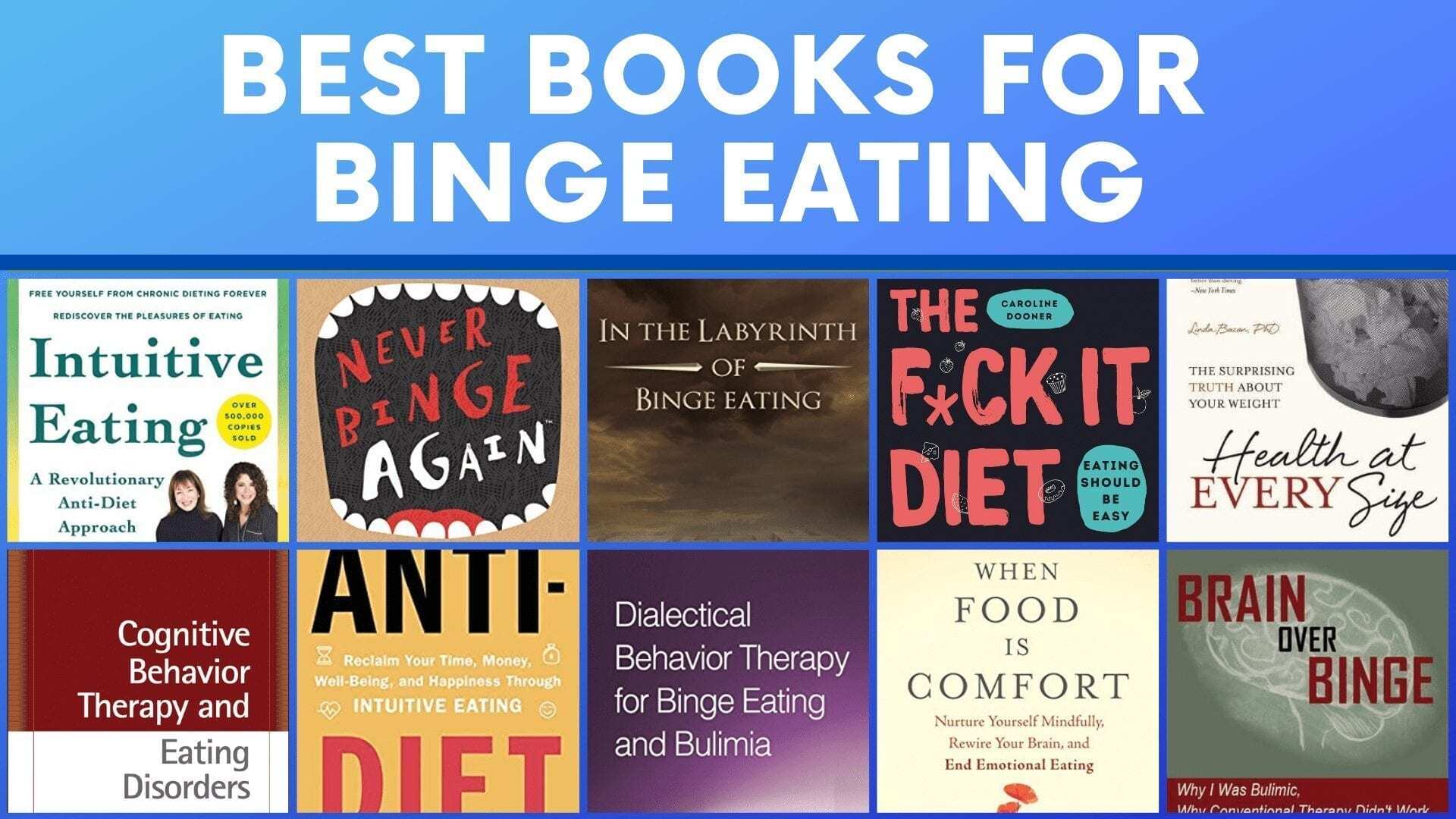
I have read, studied, and appreciated the books listed below.
Why did I read all these books?
My endless curiosity and dedication to healing from my own eating struggles led me to this profession today: eating Coach at Eating Enlightenment and Recovery Counselor at Cielo House for Eating Disorder Treatment.
As an Eating Coach, my life revolves around writing, teaching, explaining, and coaching about overeating. These books have been a part of my journey, and it’s with great honor and gratitude that I share them with you today.
Please note: affiliate links within this blog article help support this channel.
#1-5: Self-Help Books For Eating Disorder Sufferers
The books for binge eating contain psycho-education and structured self-help that have shown high effectiveness. These books are easy to read and follow and may serve as an introduction to Binge Eating Disorder and its treatment.
1. Intuitive Eating: A Revolutionary Anti-Diet Program
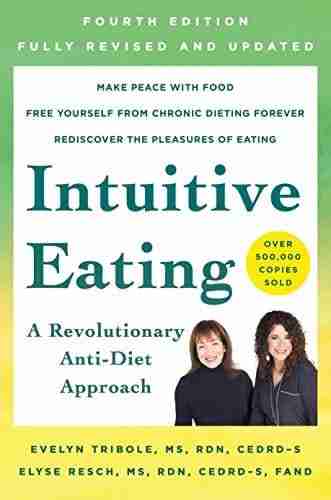
Why is this book so great? Intuitive Eating contains the ‘big picture’ of why people start binge eating and how they can heal from it.
There are 10 principles of Intuitive Eating. These include principle #1, Reject The Diet Mentality, and principle #6, Feel Your Fullness.
Filled with exercises, eating disorder science, and much more, this book is hands-down a must-have for anyone interested in beginning to heal their relationship with food.
2. Never Binge Again
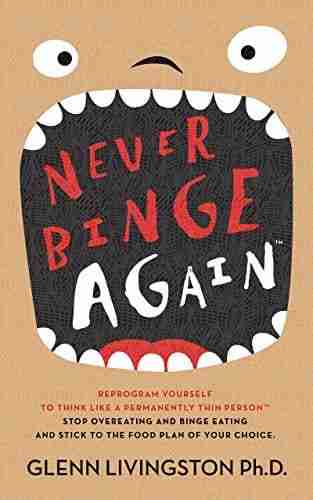
In the opening pages, Glenn summarizes binge eating disorder treatment in an easy-to-understand story about learning to ride a bike.
When you ride a bike, you expect yourself to fall. But if you can quickly pick yourself back up and make adjustments, you’ll ride smoothly in no time.
It turns out this metaphor parallels exactly the journey to heal binge eating disorder. See, recovery from all eating disorders is like learning a new skill.
This book is simple and cuts to the heart of the matter.
3. In the Labyrinth of Binge Eating
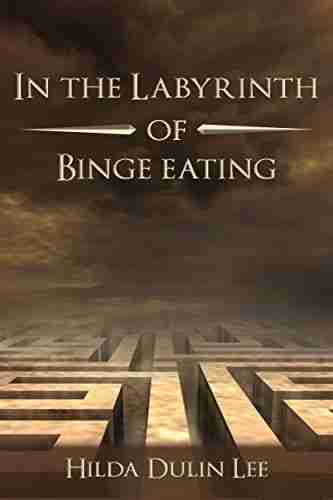
This book is less known, but it contains one of the most powerful autobiographical stories about binge eating that I’ve ever read.
Hilda herself struggled with a severe binge eating disorder for decades, stemming from her early childhood trauma and food addiction.
The stories she shares – from her loving husband to running a medical practice while in the throes of binge eating and much more – bring a genuinely human element to binge eating.
If you’re looking for a true story of someone who has been through mental health hell and back, look no further.
Other Great Autobiographical Binge-eating Books
- Binge and Sprint: From Endless Cake to Recovery
- Running in Silence: My Drive for Perfection and the Eating Disorder That Fed It
- Empty: A Memoir
- Fullness: A Memoir
4. The F*ck It Diet: Eating Should Be Easy
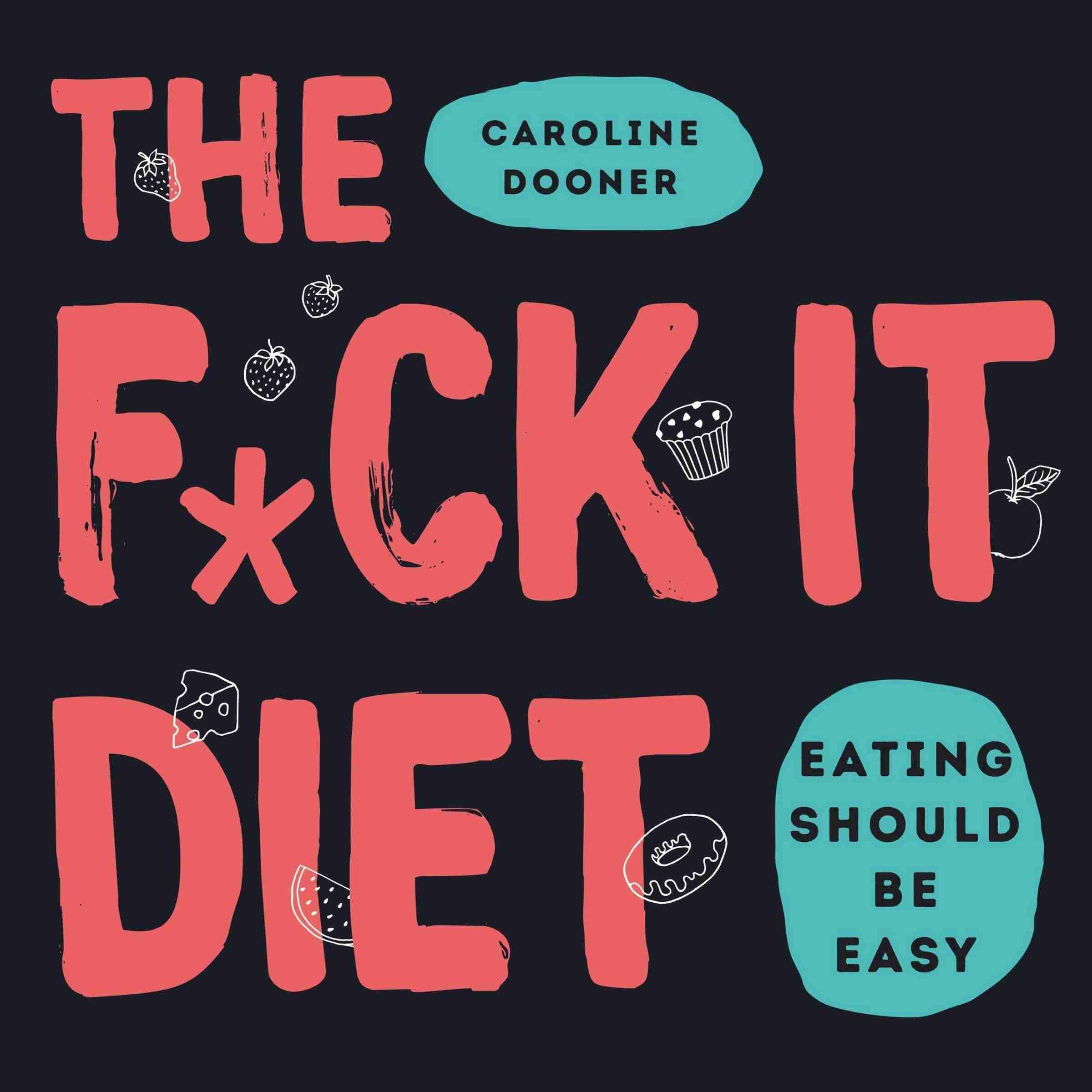
If you’re looking for a book with charisma and personality, here you go!
Caroline writes in an extremely friendly, entertaining manner. She covers the absolute essentials of why dieting is not a good choice.
If you are a chronic dieter or recognize that you fall into patterns of yo-yo dieting and want a fun read, then this book is for you.
5. 12 Steps and 12 Traditions of Overeater’s Anonymous
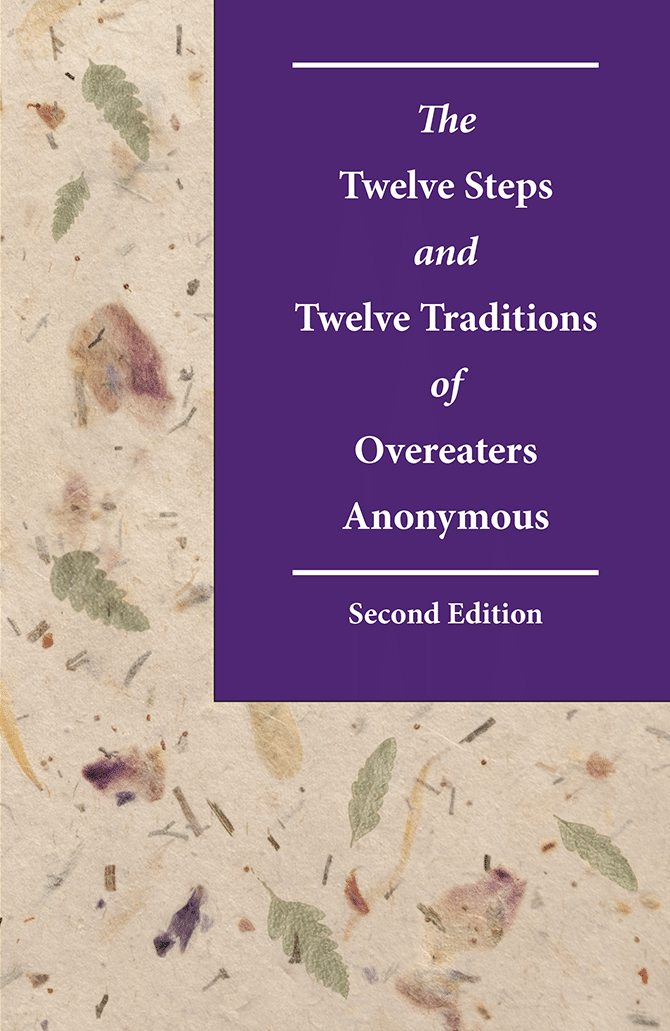
Overeaters Anonymous is how many people first become introduced to the ideas of food addiction and compulsive overeating.
Overeaters Anonymous (OA) is a fellowship of individuals who, through shared experience, strength, and hope, are recovering from compulsive overeating.
This book welcomes everyone who wants to stop eating compulsively. There are no dues or fees. The primary goal of this book is to help readers abstain from compulsive eating and to carry the message of recovery through the Twelve Steps of OA.
#6-10: Eating Disorder Books for Clinicians and People Familiar with Therapy and/or BED
This section is for people who already know about BED and want to learn more about the history of dieting culture, what all eating disorders have in common, and the complex cultural factors related to eating disorders.
6. Health At Every Size
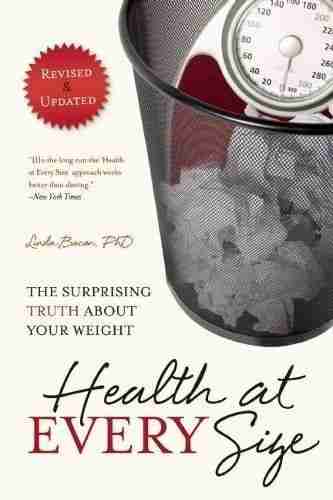
This book is a bit more difficult, and I debated including it on the list of more advanced books.
However, this book sparked the ‘Health At Every Size’ movement, which you may have heard of before.
The Health At Every Size movement is much more than a health philosophy. It’s a social justice message to empower people struggling with depression, body image, and shame about their bodies.
This book is for you if you want a comprehensive understanding with lots of research.
7. Cognitive Behavior Therapy and Eating Disorders
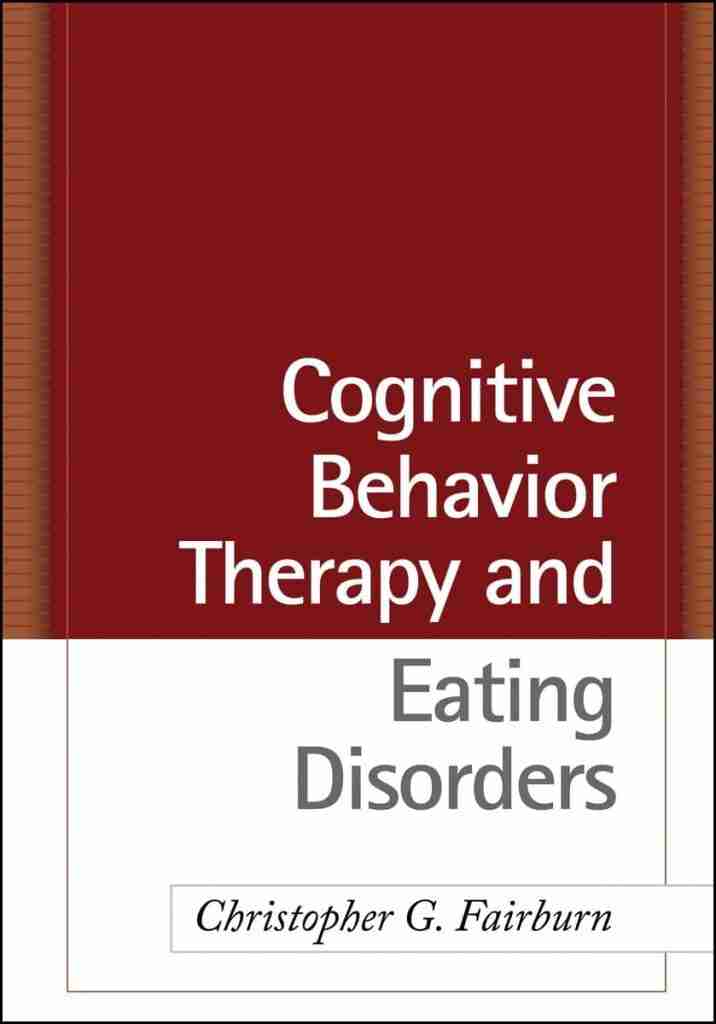
Dr. Fairburn writes with extreme confidence that all eating disorders have at their root the same cause and the same solution.
This book is specifically for clinicians. It provides step-by-step instructions on how to beat eating disorders of all types by examining the underlying thought processes.
Be warned—it’s a tough read. But there’s probably no better resource if you can handle scientific language and are curious and determined.
8. Anti Diet
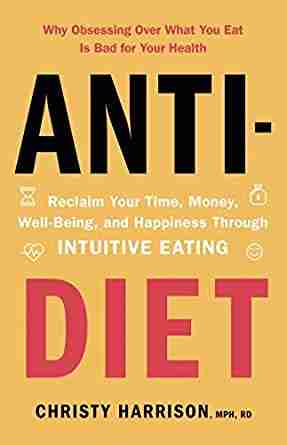
Ever wonder why dieting became so commonplace? Ever wonder about why BMI is a faulty and racist tool?
This book is one of the most fascinating reads about why eating disorders developed from a cultural perspective.
If you’re looking for a historical perspective on why our nation became so obsessed with weight loss and what’s up with the current wellness industry, this book is for you.
9. Dialectical Behavior Therapy for Binge Eating and Bulimia Nervosa
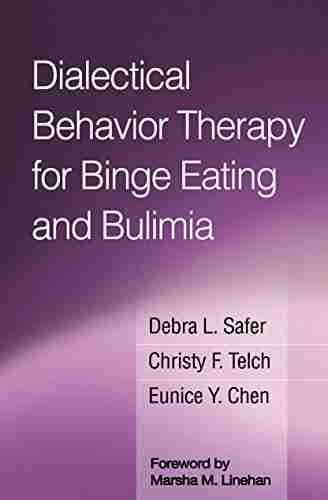
If you want an in-depth look at tolerating intense emotions, try this book.
Dialectical Behavior Therapy (DBT) is highly regarded and held similarly to Cognitive Behavioral Therapy (CBT).
This novel will help you overcome cravings, urges, and other physical and emotional sensations.
Be warned, though, this is a tougher read. But if you have a scientific mindset and want to take a specific approach to fighting your cravings and urges, this would be a great help.
10. When Food Is Comfort
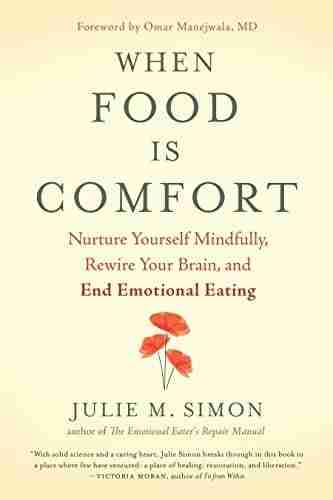
This book takes a deep look into childhood.
If you know you have trauma stemming from your childhood and are looking for ways to heal that trauma, along with your food relationship, this book can give you a significant step forward.
Many specific exercises exist to eat better and reconnect with your inner child.
Since most of the other books on my lists don’t dive into childhood, I find this book particularly informative, covering many grounds that others may neglect.
#11-15: Binge Eating Workbooks
Workbooks can help you get more information and use tools more effectively. Instead of learning about the science, the books in this section assume you’re already familiar with the basic premise of BED and are ready for practical steps. Grab your pencil and prepare for the next step, as there are several workbooks to choose from!
11. End Emotional Eating
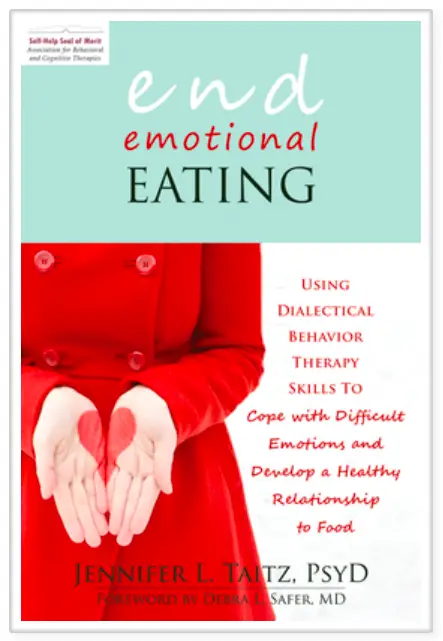
Eating can all too easily become a strategy for coping with depression, anxiety, boredom, stress, and anger, and a reliable reward when it’s time to celebrate.
This book does not focus on what or how to eat—rather, it teaches scientifically supported skills to manage emotions and urges gracefully, live in the present moment, learn from your feelings, and cope with distress skillfully.
This book has been awarded the Association for Behavioral and Cognitive Therapies Self-Help Seal of Merit, an award bestowed on outstanding self-help books that are consistent with cognitive behavioral therapy.
12. Brain Over Binge
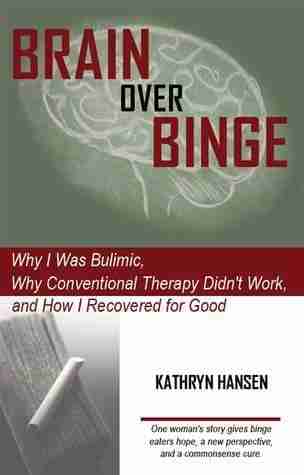
This is a really great book!
Part of me wants to put this book in the beginner section as it’s easy to read and reasonably practical.
However, this book specifically focuses on cravings and doesn’t address other issues, which is why I’m putting it into the advanced category.
There’s also a deep dive into the basics of nutrition. With lots of practical exercises, it’s equally workbook and self-help.
13. Internal Family Systems – Skills Training Manual
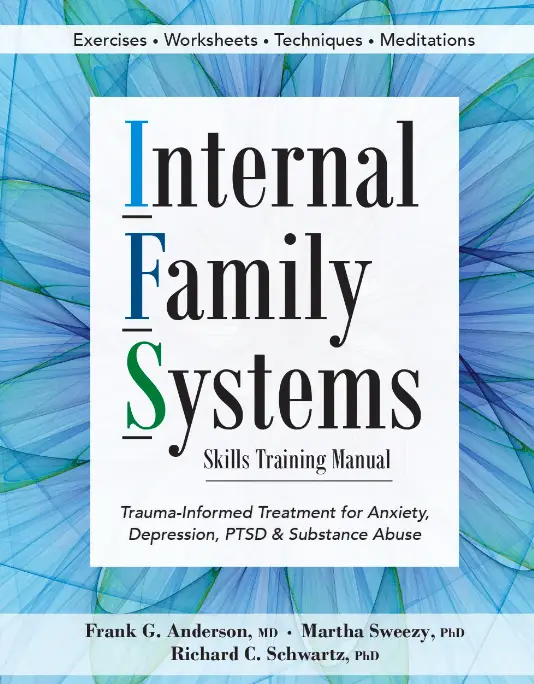
Are you looking for a revolutionary, evidence-based approach to healing emotional wounding at its core? The Internal Family Systems—Skills Training Manual provides straightforward explanations and illustrations of a variety of applications. This manual incorporates unique meditations, downloadable exercises, and worksheets that are easy to read and highly practical so that you can find the best treatments for your needs.
The IFS methodology provides an accelerated approach grounded in neuroscience that is non-pathologizing and encourages self-compassion. This method has proven to be effective for individuals struggling with PTSD, anxiety, depression, substance abuse, and eating disorders. Anyone can benefit from this insightful training manual with step-by-step instructions and annotated case examples!
It’s time to unlock the possibility within yourself. Utilize the IFS skills training manual to take control of your emotions and regain clarity on your internal world.
14. The Binge Eating Prevention Workbook
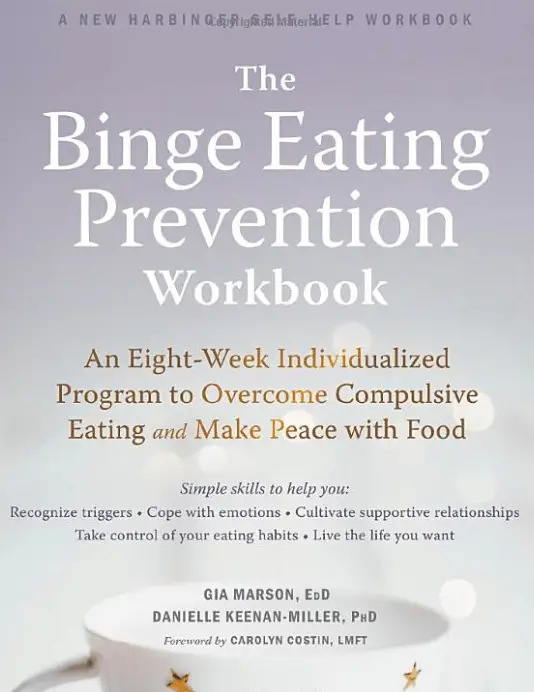
Do you feel like your life is out of control regarding food? Do you find yourself in cycles of deprivation and binge eating? The challenge is that what works for one person may not work for another. That’s why The Binge Eating Prevention Workbook offers comprehensive, evidence-based tools designed to help you take charge of your eating habits.
This eight-week protocol will help you understand the underlying causes of your binge eating, recognize triggers that lead to binging, cope with difficult emotions, improve relationships, and make healthy food choices.
The Binge Eating Prevention Workbook has a range of activities, reflective exercises, and other resources that can help you overcome feelings of overwhelm and gain a sense of mastery over your eating behaviors. With this program, we are here to support and guide you every step of the way. Together, we can develop long-lasting habits that will benefit not just your body but also enrich your life in every aspect imaginable.
15. The Intuitive Eating Workbook
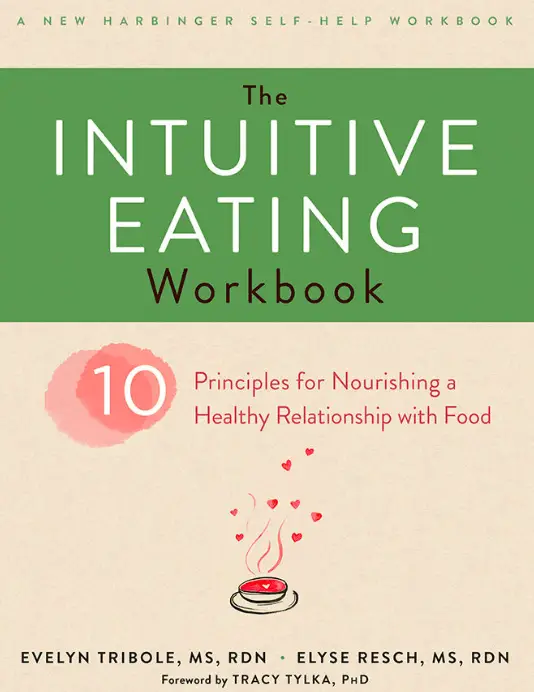
Put yourself on the path to emotional and physical wellness with The Intuitive Eating Workbook. An evidence-based program developed by trusted and renowned authors, this workbook empowers you to develop a healthy relationship with food, discover the cues of hunger and satisfaction, and nurture a profound connection with your mind and body.
Heavily grounded in the teachings of the ten principles of intuitive eating, The Intuitive Eating Workbook shows you how to abandon unhealthy weight control behaviors, have a more positive body image, and—most importantly—stop feeling overwhelmed by it all. Suppose you’re too often using food as comfort or distraction when stressed or anxious. This workbook can help you build better habits that benefit your emotional well-being and physical health.
Put an end to feelings of guilt about trying to eat “right” and start living in harmony with who you are. Get The Intuitive Eating Workbook — because eating should never be hard again!
How do I stop feeling guilty about binge eating?
The first step to stopping feeling guilty about binge eating is to practice self-compassion. Remind yourself that you are not responsible for developing this behavior; it is not your fault. Acknowledge that it may be the result of past trauma, a culture of dieting and thinness, or even something you learned from role models in your life.
Second, try to understand your guilt by understanding where it comes from. Try using Internal Family Systems therapy to help identify the critical parts of yourself and discover what burdens the guilty parts are holding onto. With this insight, you can begin to work on releasing these burdens and replacing them with healthier coping skills.
Finally, consider finding a therapist or support group who specializes in binge eating disorder. They can provide additional guidance and help you find healthier, more sustainable ways of managing your emotions and behaviors. With the right resources and support, you can begin the journey to recovery.
Ultimately, it is essential to remember that feeling guilty about binge eating is not something you should have to carry alone. It may take some time and effort, but you can come out of this feeling empowered instead of judged. Take the steps to move forward with kindness towards yourself and your body. You deserve compassion just as much as anyone else!
What is the root cause of binging?

The root cause of binging can vary from person to person, but there are a few potential contributing factors. These include dieting, childhood trauma, culture and social norms around body image, genetics, alcohol or other substance abuse, Obsessive-Compulsive Disorder (OCD), and anxiety disorders such as PTSD or Panic Disorder.
Dieting can lead to deprivation, which can cause overeating in an attempt to compensate for the lack of calories. Childhood trauma can create emotional instability that leads to impulsive behaviors like binge eating.
Cultural pressures about body image and thinness may prompt some people to attempt to control their weight through extreme diet or exercise practices.
Genetics and brain chemistry may also play a role – certain chemicals like serotonin have been linked to compulsive behavior surrounding overeating and food addiction.
What are the psychological reasons for overeating?
Psychological reasons for overeating can include stress, anxiety, depression, loneliness, self-medication of emotions, and an attempt to escape from unpleasant thoughts or feelings. Overeating is a way to numb out difficult emotions or provide a temporary distraction. It can be a source of comfort when you’re feeling down and isolated.
Overeating is often a coping mechanism for dealing with stressful situations that you feel unable to control. Other psychological factors related to overeating include past experiences with food (such as dieting), trauma, guilt surrounding food choices, perfectionism, and body image issues.
Combining these reasons may be the root of an individual’s overeating habits. Healing these underlying emotional issues can help to reduce the urge to overeat.
Supporting yourself through self-care and creating a positive relationship with food can also be helpful in curbing binging behavior. Self-care can include getting enough sleep, connecting with friends or family, exercising, journaling or meditating, or engaging in an activity you enjoy. Developing healthier habits around food, such as mindful eating practices and honoring your hunger cues, can help foster a healthier relationship with food and reduce binging episodes.
Now that you have some background information about binge eating disorder, you must take action to address it. Consider reaching out to a therapist specializing in treating this condition so they can provide you with personalized advice and support on managing it.
What is considered binge eating?
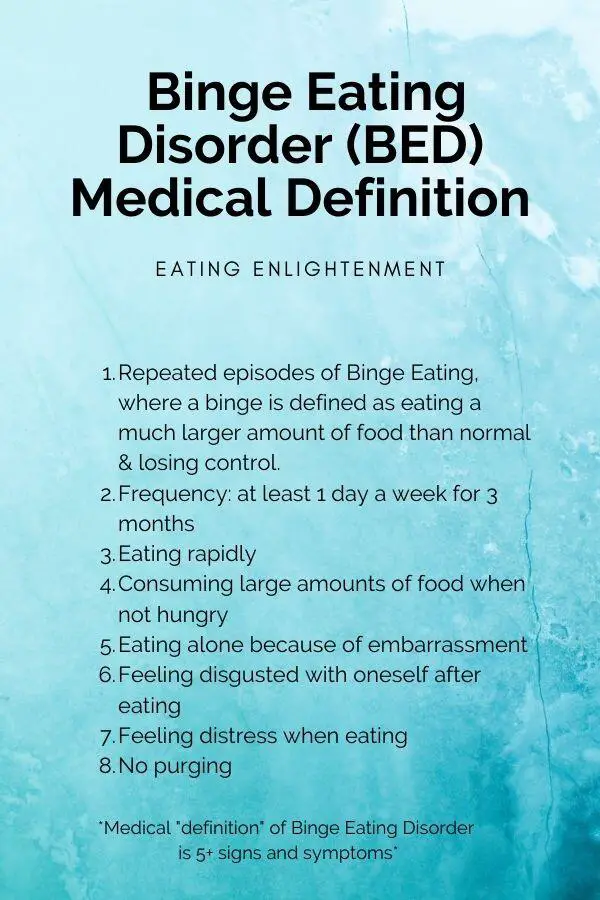
According to the DSM-5, binge eating is defined as consuming a tremendous amount of food in a short period (at least 2 hours) and with a sense of loss of control. Additionally, individuals struggling with binge eating disorder often have feelings of guilt or shame surrounding their episodes. Binge eating can occur on its own, but it can also be associated with other mental health conditions such as depression, anxiety, or an eating disorder. It is important to note that not all cases of overeating are considered binge eating; the episodes need to meet specific criteria before they can be diagnosed as such.
However, most people don’t use the technical definition of binge eating when they refer to overeating. In standard terms, a binge is when someone eats much food in one sitting, often much more than they need or want. They may also engage in what is known as “emotional eating,” consuming food to cope with difficult emotions such as sadness, anxiety, or boredom.
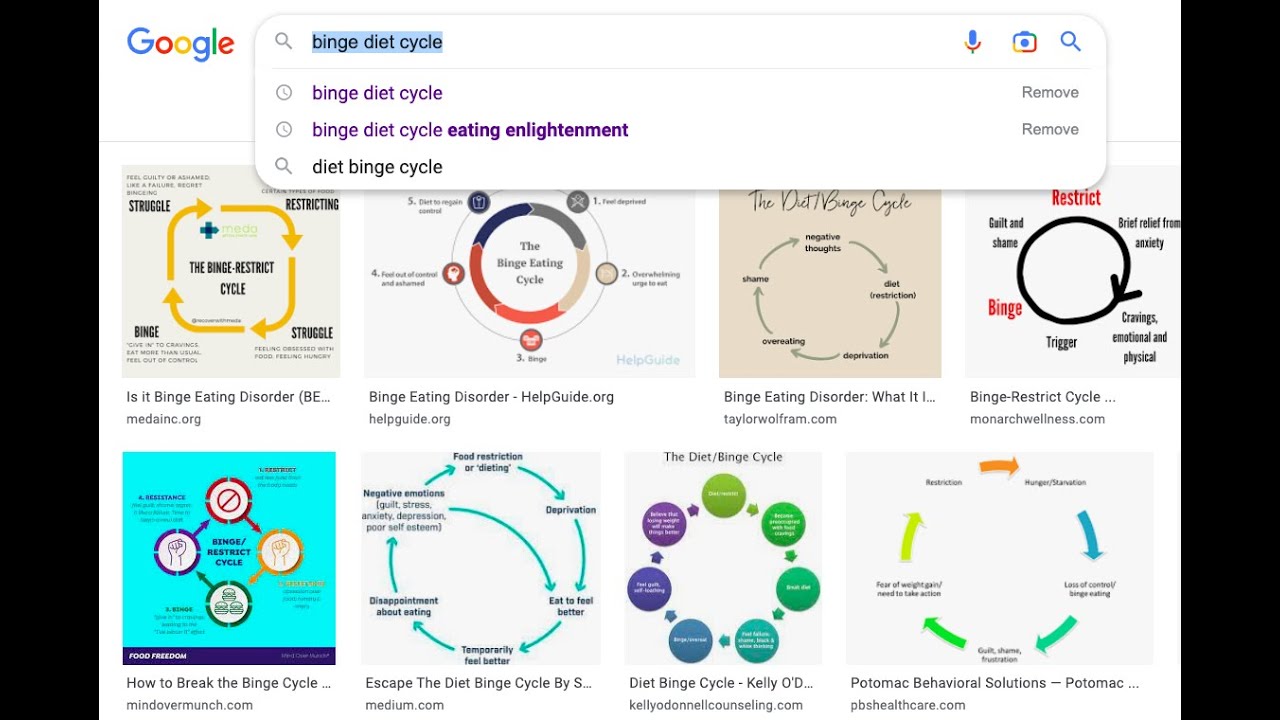
Check out this video for more information about the “Binge-Restrict Cycle.”
What is orthorexia?
Orthorexia is a condition in which an individual becomes obsessed with eating healthy or “pure” foods. Individuals suffering from orthorexia may limit their food intake to organic, non-processed, and otherwise “clean” foods.
Due to the intensity of their dietary habits, they may obsessively count calories and weigh themselves regularly, put severe restrictions on what they eat, and become socially isolated.
Orthorexic patients are often at risk for malnutrition as well as other physical and psychological health issues. Treatment for orthorexia typically involves cognitive behavioral therapy and nutrition counseling to help individuals learn how to create healthy relationships with food.
Is binging a coping mechanism?
Binging can act as a coping mechanism for some individuals who are struggling with difficult emotions. It can escape reality and temporarily numb or distract from negative thoughts or feelings. Binge eating is often associated with low self-esteem, body image issues, or trauma. People may use food to cope with everyday life’s stress or avoid dealing with painful experiences from the past.
In Internal Family Systems, the “Food Comfort” part of you is seen as a “protector.” This protector part of you is trying to keep you safe, even if the means it uses are unhealthy or counter-productive. Understanding this and providing yourself with other coping strategies can help curb binging behavior.
How do you motivate yourself to stop overeating?

Motivating yourself to stop overeating can be difficult, but some strategies may help.
- Start by recognizing your triggers for overeating and developing healthy coping mechanisms to manage them.
- Acknowledge any negative emotions, such as guilt or shame, that you may have around food and address them directly with a therapist.
- Learn mindful eating practices to respond calmly to cravings or the urge to binge eat.
- Practice self-care and engage in activities that bring you joy and satisfaction. Finally, remember that progress takes time—you don’t have to change overnight.
Making small, sustainable changes daily will get you closer to managing your overeating habits in the long run.